
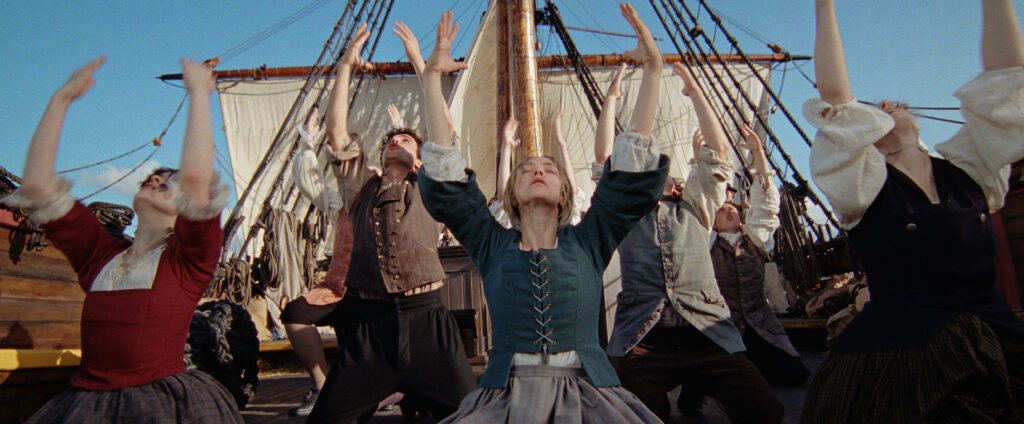
The Testament of Ann Lee | The Testament of Ann LeeCountry: USA, GBR 20252025Director: Mona FastvoldPhoto description: Thomasin McKenzie, Jamie Bogyo, Amanda SeyfriedSection: Berlinale Special 2026File: 202616038_3© 2025 Searchlight Pictures All Rights Reserved.
Women’s themes in world cinema—especially in auteur filmmaking and films dealing with social and political unrest—remain among the most significant. And this concerns not only films explicitly about women’s emancipation. Rather, it encompasses the multitude of everyday experiences, each revealing a different facet of what it means to be a woman.Women’s experience in cinema remains one of the key themes of global auteur filmmaking. Continuing our series of materials dedicated to Berlinale 2026, we present a special overview for March 8, International Women’s Day—or more precisely, the International Day of Struggle for Women’s Rights.
Women’s Experience in Cinema: Childhood
We would like to begin this section with the Brazilian documentary “The Fabulous Time Machine” (A Fabulosa Máquina do Tempo) by Eliza Capai.The collective protagonists of the film are girls standing on the threshold of adolescence (although the transitional moment from girlhood to youth is addressed in a separate episode). They ask their mothers and grandmothers about the past—hence the “time machine” that transports them to “long ago”—and compare “their” time with “our” time.It seems that the balance favors the present: girls today live in better conditions and have far greater prospects than previous generations. Yet their lives are not without their own worries.
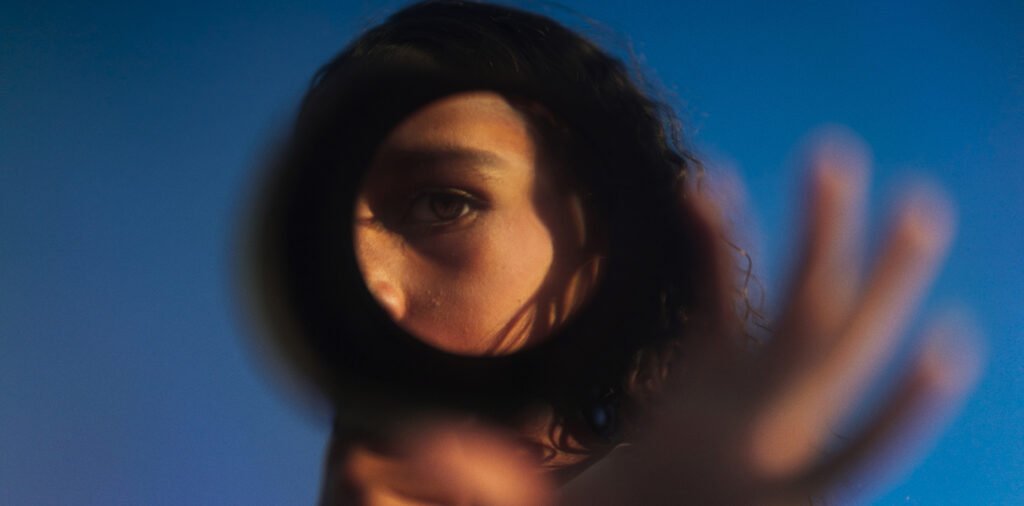
Country: BRA 20262026
Director: Eliza Capai
Photo description: Sophia
Section: Generation 2026
File: 202609628_2
© Carol Quintanilha
The film touches on many issues: poverty, family problems, children’s vulnerability, including the tolerated sexual relationships between adult men and minors (not 16–17-year-olds, but 13–14-year-olds). Yet the film’s heroines look at the world with wide-open eyes, maintaining both sobriety and a cheerful outlook on life.
Eight-year-old Josephine (Mason Reeves) in Beth de Araújo’s film “Josephine” (USA) witnesses a rape—and now she and her family must endure a difficult period.The already tense wait for a court trial—participation in which requires a painful family decision—unfolds alongside the young heroine’s psychological struggles. Having suddenly and traumatically encountered the secrets of sexuality, the child tries to integrate them into her understanding of the world.
The film is especially interesting in how it operates at the intersection of childhood and female experience. What Josephine witnesses forces her to rethink and reassess her place in the world from gender positions she had never previously recognized.A further blow comes when she realizes that virtually any woman around her may have been—or could become—a victim of violence. When Josephine asks her mother whether she has ever been raped and hears the expected “no,” she—and the viewer—understand that the mother is lying.The child cannot fully comprehend this new knowledge or always apply it correctly. She stumbles and makes mistakes. Thus the central issue becomes not simply traumatic childhood experience, but how the surrounding adults help her cope with it. There is, of course, no single “recipe.”
Female solidarity also plays a role. Josephine herself is still too young to fully grasp it. Yet in court, alongside the victim and the young witness stands a third woman—Josephine’s mother—who tells her daughter in a moment of doubt:“You don’t have to testify, but I guarantee you: if you refuse now, you will regret it when you grow up.”At the same time, the film does not manipulate the idea of a “war between the sexes.” In contrast to the rapist stands a protective paternal figure—Josephine’s father Damien (Channing Tatum), a somewhat idealized embodiment of the “decent American citizen,” who actively participates in his daughter’s life and helps her make the right decision.
Only a few years separate Josephine from the heroines of “Sad Girlz” (Chicas Tristes) by Fernanda Tovar (Mexico, Spain, France), which won the Crystal Bear for Best Film in the Generation 14plus section.Paula (Darana Álvarez) becomes a victim of sexual assault at a party. Her only real support becomes her best friend La Maestra, who feels guilty because she helped arrange the date that ended so tragically.
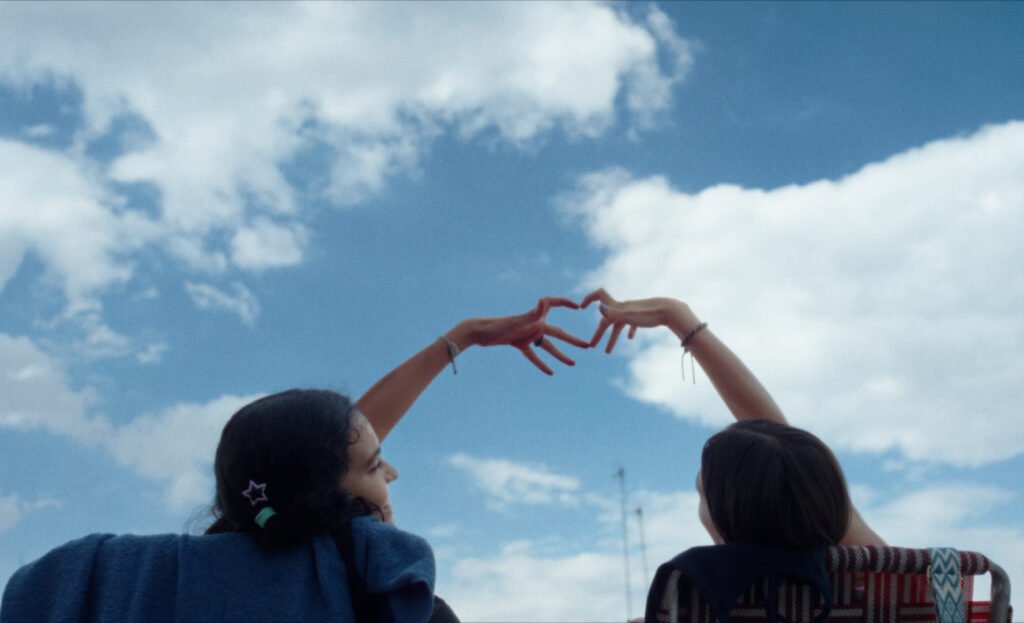
Country: MEX, ESP, FRA 20262026
Director: Fernanda Tovar
Photo description: Rocío Guzmán, Darana Álvarez
Section: Generation 2026
File: 202604753_1
© Rosa Hadit Hernández, Colectivo Colmena
The film draws attention to society’s deliberate blindness toward rape and its deliberately narrowed definition. Paula’s perpetrator appears to be a decent young man, her teammate, genuinely interested in her. He doesn’t even realize what he did wrong—he simply failed to stop when he heard “no.”The surrounding environment tends to take his side, because that position brings far fewer problems and consequences.A familiar situation, isn’t it?
To avoid giving the impression that the experience of girlhood in festival cinema is explored mainly through violence, it is worth briefly mentioning several films in comedic or tragicomic tones addressing other issues.“Black Burns Fast” by Sandulela Asanda (South Africa) is a lively coming-of-age story about a South African teenager and her romantic relationship with her classmate and best friend.“Everyone’s Sorry Nowadays” by Frederike Migom (Belgium, Netherlands, Germany) tells the story of a girl in a difficult transitional age who tries to live simultaneously in the challenging real world and in her fantasy world.
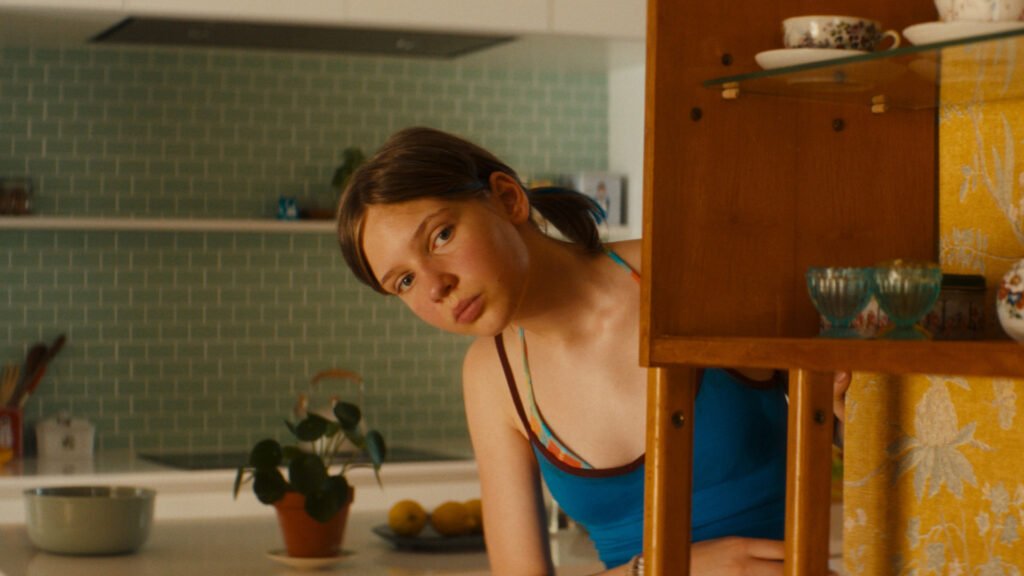
Country: BEL, NLD, DEU 20262026
Director: Frederike Migom
Photo description: Lisa Vanhemelrijck
Section: Generation 2026
File: 202616239_2
© De Mensen
In “Mouse” by Kelly O’Sullivan (USA), a young woman coping with the loss of her best friend finds emotional support in an unusual friendship with the friend’s mother and in love with another girl who has experienced her own tragedy.
Finally, “Sunny Dancer” by George Jacques (UK) is, despite its difficult subject matter, a true hymn to life. Seventeen-year-old Ivy (Bella Ramsey) is sent by her parents to a summer camp for children with cancer. There she gradually finds friends and her first love.An important message of the film is the rejection of victimizing children with cancer: despite the constant threat of illness, they live full lives and treat their condition with irony.In a sense, the film reflects not only girlhood but also the experience of living “against all odds”—which naturally leads us to the next section.
Women’s Experience in Cinema: Stories of Strength
Making a non-ironic film about the leader of a religious movement—especially one as unusual as the Shakers—is already a bold decision.Director Mona Fastvold, together with co-screenwriter Brady Corbet, chose an unconventional approach by presenting the story of Ann Lee in the format of a musical.Overall, “The Testament of Ann Lee” (USA) starring Amanda Seyfried is less about a religious movement and more about people—especially women—who, in the suffocating spiritual atmosphere of their time, found their own place and pursued their mission.
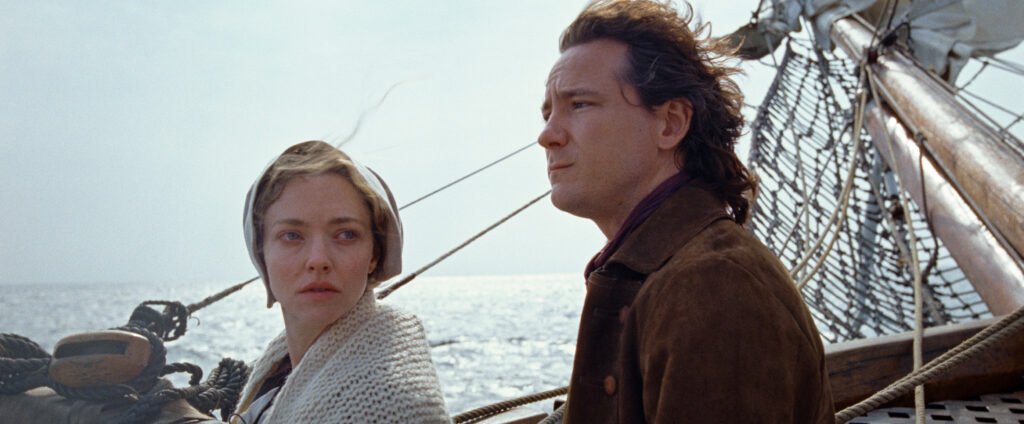
Country: USA, GBR 20252025
Director: Mona Fastvold
Photo description: Amanda Seyfried, Lewis Pullman
Section: Berlinale Special 2026
File: 202616038_2
© 2025 Searchlight Pictures All Rights Reserved.
The film contains some pathos typical of the American frontier myth—the rhetoric of exploration. But here the exploration is primarily spiritual. Ann Lee and her followers seek nothing less than a spiritual reformation of the “barbaric” New World.In doing so, the Shakers build their own utopian space, founding entire towns and spreading their vision of faith. The idealized, elevated image of Ann Lee is justified by the film’s perspective (the story is told from the point of view of one of her followers); while sidestepping criticism of Shakerism itself, with its claim to control over the individual (“One must devote oneself to God entirely”), the film offers a convincing portrayal of a society in which the spiritual sphere may prove to be the only—if only imaginary—realm of “freedom and truth.”
Often, rebellion and the assertion of one’s right to one’s own life take the form of personal relationships.Daniel Arbid’s film “Only Rebels Win” (France, Lebanon, Qatar) tells the story of the love between an elderly widow Suzanne and a young undocumented migrant, Osman.The film takes place in Beirut—a setting not particularly welcoming to “non-normative” relationships. The differences between the protagonists are emphasized on multiple levels: age, social status, race, and religion.The ultimate outcome of their relationship is left for the viewer to imagine. But what matters most is their act of rebellion—one in which social pressure falls more heavily on the woman.
Stories of women in theocratic Islamic societies cannot be ignored.The opening film of Berlinale 2026, “No Good Men” by Afghan director Shahrbanoo Sadat, tells the story of a woman (and one man) in Afghanistan shortly before the Taliban’s return to power.
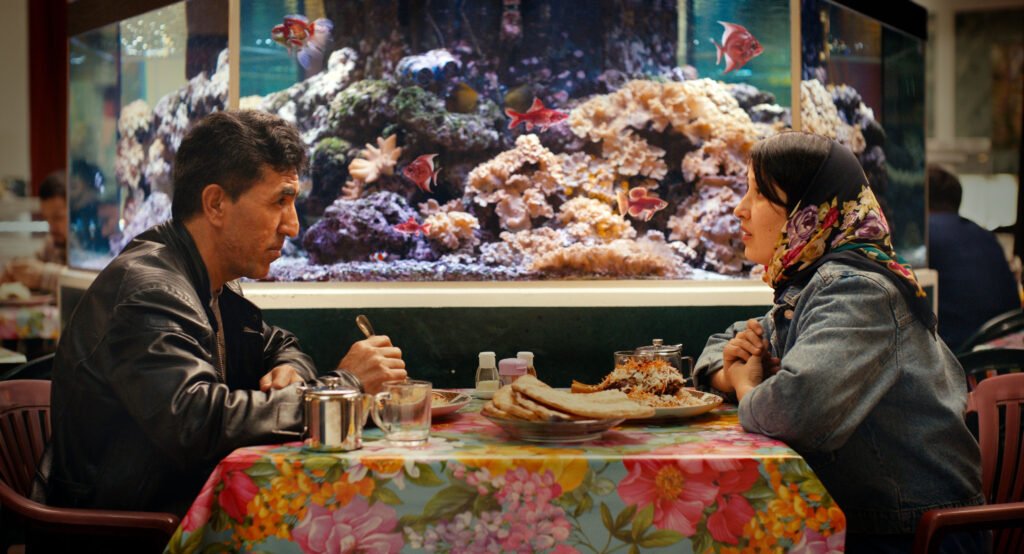
Country: DEU, FRA, NOR, DNK, AFG 20262026
Director: Shahrbanoo Sadat
Photo description: Anwar Hashimi, Shahrbanoo Sadat
Section: Berlinale Special 2026
File: 202613960_1
© Virginie Surdej
The protagonist, Naru, is a television news camerawoman—already an unusual profession in pre-Taliban Afghanistan. She must constantly prove her professional competence. In this, she is helped by a journalist-investigator who almost contradicts the film’s title: a nearly ideal man.The film is light in form, humorous, and full of melodramatic moments. Yet it conveys the difficult living conditions and inequality faced by women in traditional society, as well as the dangers faced by independent media in Afghanistan.
Much darker in tone is “Roya” by Mahnaz Mohammadi (Germany, Czech Republic, Luxembourg, Iran). The titular heroine—a teacher and political prisoner—is granted temporary “freedom” for a few days to attend a funeral. Yet even outside her cell she remains under the watchful eye of a guard; the prison continues beyond its walls—indeed, the entire Islamist Iran becomes a prison of sorts. Roya also faces a difficult choice: record a video statement expressing her “repentance” and secure her final release from prison, or endure the ever-increasing pressure of the penal system.

Country: DEU, CZE, LUX, IRN 20262026
Director: Mahnaz Mohammadi
Photo description: Melisa Sözen
Section: Panorama 2026
File: 202604675_1
© Pak Film
In its spirit and overall character, the situation depicted in “Roya“ oddly recalls the Soviet persecution of dissidents: in both cases there are illegal imprisonments, torture, blackmail through threats to loved ones, constant surveillance, and finally the use of psychiatric institutions as penal facilities. The only difference, perhaps, is that in an Islamist state women are particularly disenfranchised and face additional forms of oppression and danger.The film has a complex temporal structure, making it difficult for the viewer to orient themselves in it—but this only reinforces the claustrophobic atmosphere that permeates the film. Yet the heroine is not broken and ultimately makes her own choice, which is why we include her story in this section.
A reminder that not everything is ideal even in the democratic world comes in “Prosecution” (Staatsschutz / Prosecution) by Faraz Shariat (Germany), about a prosecutor of Korean descent who enters into a struggle against a far-right movement. The latter has put down roots even within law-enforcement institutions, even within the prosecutor’s office (a problem that, in the context of the growing popularity of the AfD party, is acquiring a particularly sharp and unpleasant relevance in Germany).In essence, this is primarily a story about confronting the threat of far-right radicalism. We mention it here, however, because the film’s heroine, Seyo Kim (Chen Emilie Yan), functions as a kind of binary opposition not only to white racism but also to the machismo of the neo-Nazis.The film, presented in the Panorama section, won the Audience Award in the Feature Film category, which may also indicate the strong response its subject matter received from viewers.
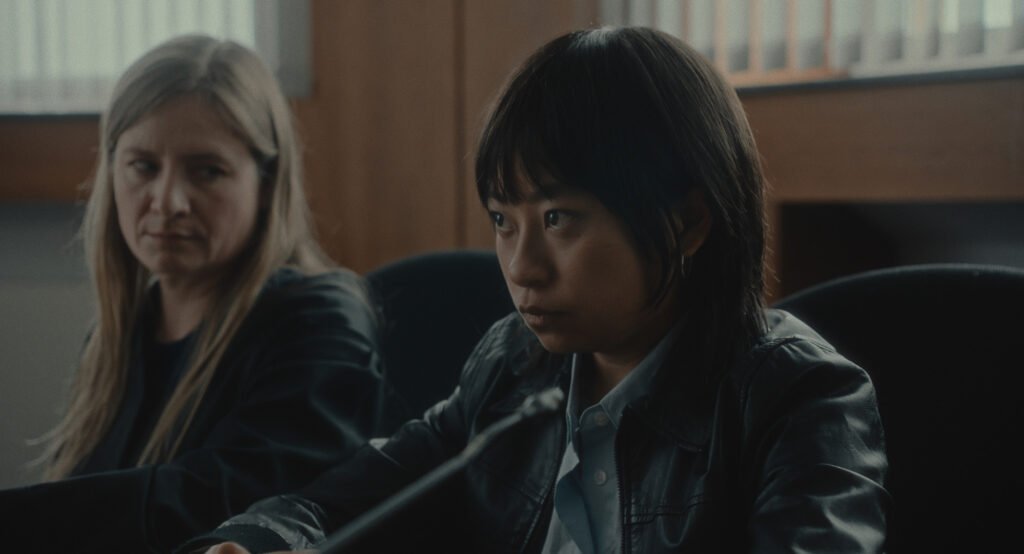
Country: DEU 20262026
Director: Faraz Shariat
Photo description: Julia Jentsch, Chen Emilie Yan
Section: Panorama 2026
File: 202603082_3
© Lotta Kilian / Jünglinge Film
In the context of our topic, it is impossible not to mention two films that explore themes of female solidarity and, despite differences in setting and subject matter, reveal interesting parallels.“Lady” by Oliva Nwosu (United Kingdom) tells the story of a stern taxi driver from Lagos, Nigeria, who decides to earn some extra money by driving local sex workers to their “clients.” As one might expect, despite the differences between the women, Lady (Jessica Gabrielle Uja) eventually becomes both a friend and a protector to those she drives.In “Four Girls” by Karen Susan (Brazil, Netherlands), set in nineteenth-century Brazil, four enslaved girls escape from a boarding school. At the last moment, however, they are joined by four students from the school itself, each of whom has her own reason for fleeing.
Despite racial and class differences and the inevitable conflicts, the girls ultimately join forces to achieve their goal. Beyond the general idea—that in order to survive in a harsh patriarchal world women must seek solidarity—the two films are also united by the image of a dreamed-of “place of freedom” to which one can escape.In “Four Girls,” this is the legendary settlement of escaped slaves, where everyone becomes free; in “Lady,” it is Freetown (literally, a “free town”). In the latter film, however, the heroine ultimately gives up her own “ticket to the dream,” handing it over to a pregnant friend who is a sex worker, and instead joins anti-government protests.In other words, building one’s own “Freetown” at home—an idea that, it must be said, is far more productive, even if much more difficult to realize.
Women’s Experience in Cinema: Crises
Crises, in fact, are an inevitable component of stories about leadership—as well as of many other female experiences. “At the Sea” by Kornél Mundruczó (USA, Hungary) tells precisely such a story.Laura (Amy Adams), a renowned choreographer and the head of a ballet company inherited from her father, returns home after completing rehabilitation following an accident caused by her problems with alcohol.

Country: USA, HUN 20262026
Director: Kornél Mundruczó
Photo description: Amy Adams
Section: Competition 2026
File: 202608333_1
© 2026 ATS Production LLC
As is typical for films of this kind, she goes through a multi-layered crisis: during her months-long absence, her family has grown distant from her, and the heroine must “fight” for the role of mother with her now-grown daughter (who, in turn, quietly resents her mother for her abruptly cut-short childhood); her company stands on the brink of financial collapse, and her own body no longer obeys her well enough to return to the work of her life—dance.The constant feeling of guilt for one’s own imperfections, the resigned recognition of oneself as a non-ideal mother, wife, professional, and so on, is probably familiar to almost every woman.
The filmmakers shift the conflict almost entirely into the inner sphere: Laura’s surroundings are fairly empathetic toward her, and there is no demonization of her husband, her children, or even her business partner, who would not mind taking advantage of the opportunity to seize control of the company.In the end, the heroine’s salvation—both psychological and financial—lies entirely in her own hands, in her ability to pull herself together and overcome her inner crisis. One must admit that such a perspective is somewhat naïve and ultimately places responsibility for all the problems on the woman herself. At the same time, however, it is hard not to appreciate its optimistic message about inner strength and resilience.
The state of crisis can be explored with striking clarity—and imagination—in the horror genre. In particular, the “horrors” of motherhood provide rich material here. Being a “good,” or at least an acceptable, mother remains one of the main social expectations placed on women. And navigating this can sometimes be difficult, caught as it is between the Scylla of social pressure and the Charybdis of the surrounding world’s overbearing empathy.
For the heroine of “Nightborn” (Ýon Lapsi / Nightborn) by Hanna Bergholm (Finland, Lithuania, France, United Kingdom), a young Finnish woman named Saga (Seidi Haarla), the experience of motherhood proves far from easy. She feels that something is seriously wrong with her child—yet those around her, with the best of intentions, carefully try to ignore this and quite literally smother the young woman with their understanding and support (which, as we know, can be no less oppressive than indifference or pressure).The film ironically portrays how a woman is effectively denied any “real” knowledge about her own child, since those around her—doctors, parents, friends with parenting experience—are the “real” experts and supposedly “know better.”
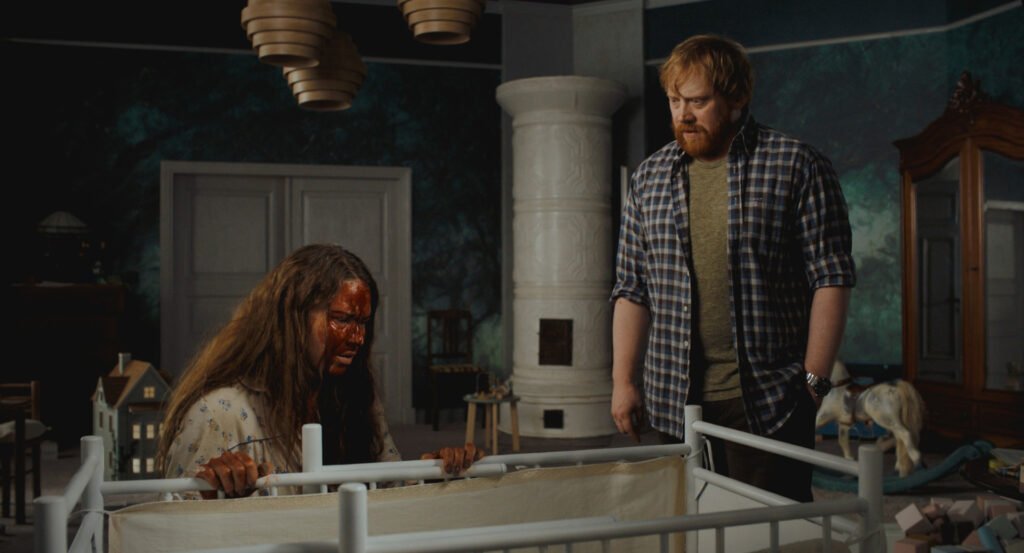
Country: FIN, LTU, FRA, GBR 20262026
Director: Hanna Bergholm
Photo description: Seidi Haarla, Rupert Grint
Section: Competition 2026
File: 202616114_1
© Pietari Peltola
In keeping with the genre, the film plays with the physiological and psychological changes associated with motherhood: a distorted body, mood swings, fears, and shifts in behavior. While treating the heroine with understanding (especially since her fears are entirely justified), the filmmakers do not idealize her: Saga fully indulges her own selfishness, taking advantage of her husband’s kindness and love (Rupert Grint) and essentially denying the child the empathy she herself expects from others.The film belongs to the folk horror genre and therefore also explores how a woman’s life experience—particularly motherhood—is shaped by her origins and local culture. The ability to incorporate these elements, to accept one’s own nature, becomes an important message of the story.
Recently, horror films about the sacrifices women are willing to make for the sake of beauty have been gaining increasing popularity. Not long ago, “The Substance” made a big splash, and just at the previous Berlinale the premiere of “The Ugly Stepsister,” a body-horror version of “Cinderella,” took place.Hana, the heroine of “Saccharine” by Natalie Erika James (Australia), is a medical student who unsuccessfully tries to get rid of excess weight. When a “miracle pill” that burns fat with astonishing speed falls into her hands, the girl analyzes its composition—and continues producing the drug for herself.
Hana is not even stopped by the fact that the substance in question is ash from human cremation; as the reader may guess, the consequences for her will be horrific. For this “beauty body horror,” as with the previously mentioned films, what is characteristic is the dilemma in which a woman finds herself in the pursuit of beauty: on the one hand, inflated social expectations and the demand to cultivate that beauty, and on the other, condemnation when that very demand ultimately consumes her.In this sense, the symbolic shot of the heroine lying in a pile of garbage is telling: in the end, anyone who fails to fit into often fragile and shifting standards may find themselves there.
Women’s Experience in Cinema: Being a Woman
What does it mean to be a woman? And how does the experience of being a woman ultimately shape one’s life? Each of the films we have discussed touches on this in its own way. But the most complete—almost to the point of absurdity—expression of the idea that “gender determines existence” is presented in “Rose” by Markus Schleinzer (Austria, Germany).At the end of the 17th century, a man—a former soldier—arrives in a German village and claims the right to an inheritance after his mother’s death. He settles down, establishes a household, earns the respect of the community, marries, and even has a child.But… from the very beginning the viewer knows that this respectable householder is in fact a woman in disguise (played by Sandra Hüller, who won the Silver Bear for the role).
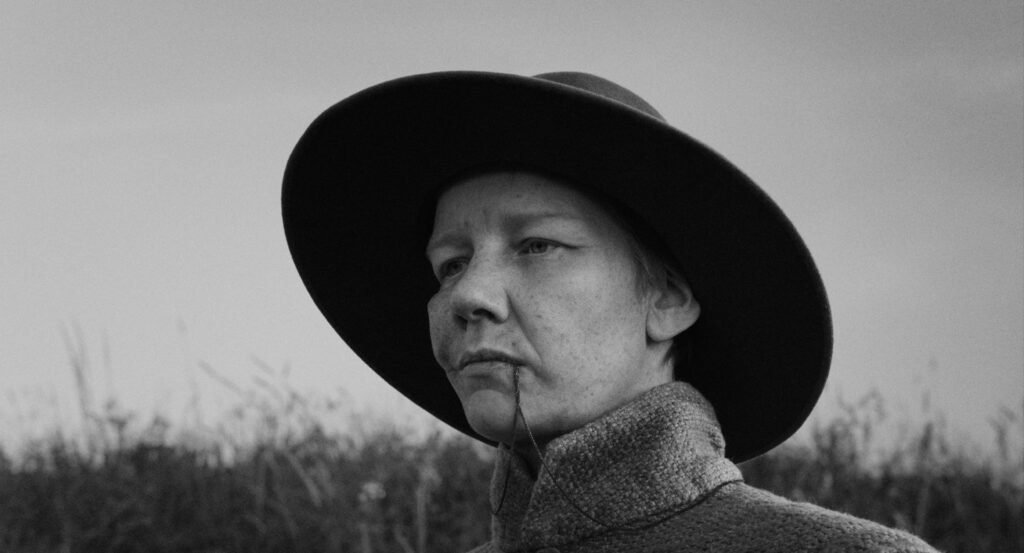
Country: AUT, DEU 20262026
Director: Markus Schleinzer
Photo description: Sandra Hüller
Section: Competition 2026
File: 202614656_1
© 2026_Schubert, ROW Pictures, Walker+Worm Film, Gerald Kerkletz
The film shows the various tricks the heroine resorts to (and later also the girl passed off as a “soldier,” who unwittingly becomes an accomplice in the deception), including devices meant to replace the sexual organ she lacks (a rather psychoanalytic image!).At the same time, Rosa is not a proto-feminist; she is a survivor. Having put on a man’s clothes “because they give more freedom,” she has no ambition to criticize or reflect upon the system in which she lives—which, incidentally, makes the story psychologically convincing.
Recalling her days as a soldier, the heroine mentions, among other things, that in order not to be exposed she was forced to rape women in captured towns—indeed, this was the original purpose of the “prosthetic” sexual organs she used. Once again, she shows little remorse or empathy toward the victims: this too is simply part of the rules of the world in which she lives.Here rape appears as a kind of “politics” at the intersection of gender and power; in fact, it functions as a tool for demonstrating power and dominance: rape is used to show “who is in charge.” (One may wonder whether Western viewers recognized here the nature of contemporary wartime sexual crimes, including those committed by Russian forces.)
In the film, the notion of the sacred importance of a small piece of flesh—on which one’s place in society depends—is taken to its extreme. Rosa’s story is scandalous in the eyes of those around her not because she obtained the inheritance through deception, but because she laid claim to opportunities denied to her by social laws (which present themselves as “natural” or even “divine”).
Traditionally, we have focused on fiction films, but in conclusion we should also mention several documentaries about women and women’s experiences. Let us briefly list them.“Siri Hustvedt – Dance Around the Self” by Sabine Lidl (Germany, Switzerland) tells the story of the well-known American writer of Norwegian origin, an influential female voice in contemporary literature.“Barbara Forever” by Brydie O’Connor (2026) recounts the story of filmmaker Barbara Hammer, a pioneer of lesbian cinema.“Two Mountains Weighing Down My Chest” by Viv Li (Germany, Netherlands) is a self-portrait of an artist living at the intersection of two worlds, Chinese and Western, essentially feeling at home in neither; she reflects on this experience through her art—including in this film.
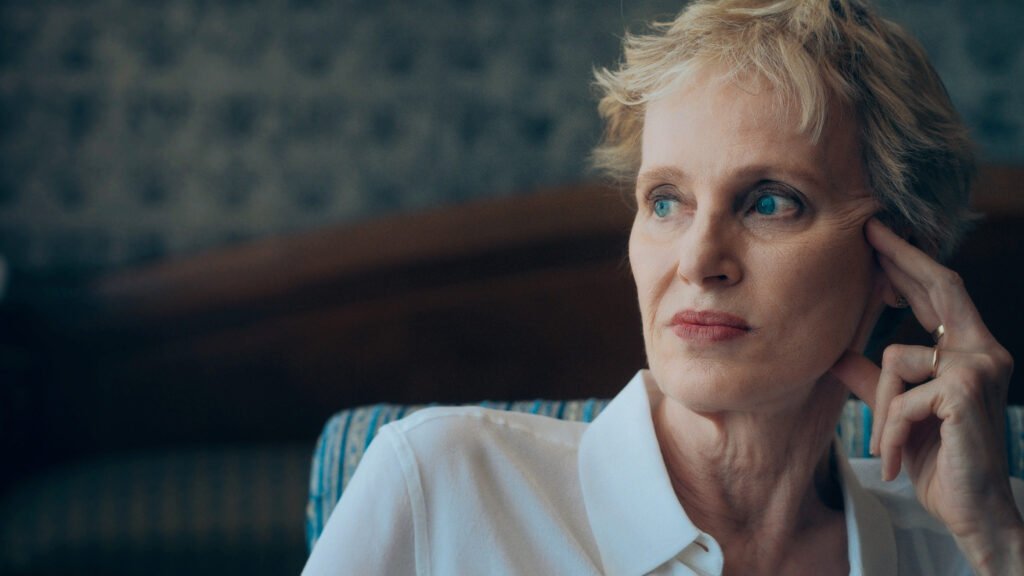
Country: DEU, CHE 20262026
Director: Sabine Lidl
Photo description: Siri Hustvedt
Section: Panorama 2026
File: 202603166_1
© Medea Film Factory
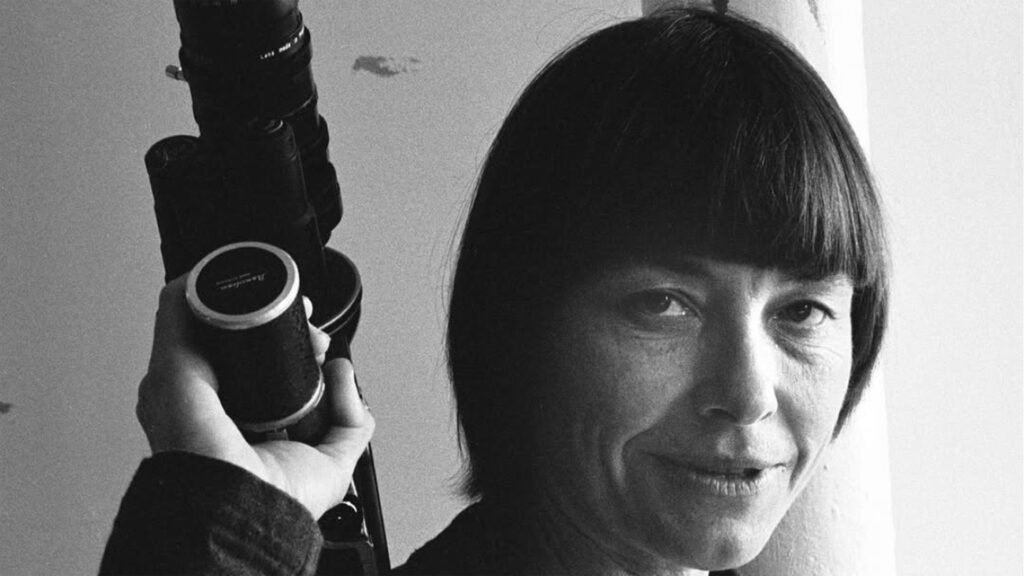
Country: USA 20262026
Director: Brydie O’Connor
Photo description:
Section: Forum 2026
File: 202604921_1
© the Estate of Barbara Hammer
Another instance of artistic self-reflection—though not in the form of a cinematic self-portrait, but rather a portrait of a deceased friend—is “Yo (Love is a Rebellious Bird)” (Yo (Love is a Rebellious Bird)) by Anna Fitch and Banker White (USA), which we have written about earlier.The Kazakh film “Dreams of the River” by Kristina Mikhailova presents a collective portrait of a resident of Kazakhstan.“Sometimes, I Imagine Them All at a Party” (Was an Empfindsamkeit bleibt / Sometimes, I Imagine Them All at a Party) by Daniela Magnani Müller (Germany) reconstructs events experienced by the filmmaker herself, who once survived persecution and an attempt on her life.And of course, one cannot fail to mention the Ukrainian film “Traces” by Alisa Kovalenko and Marysia Nikitiuk.
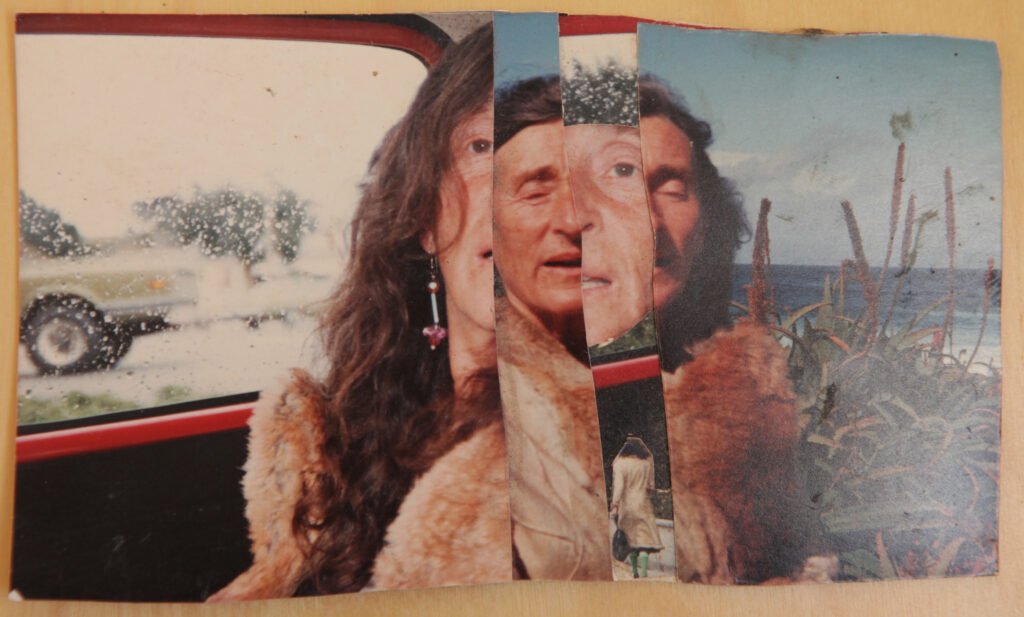
Country: USA 20262026
Director: Anna Fitch, Banker White
This, too, is a “story of strength,” a kind of response to the politics of rape as a “right of power” mentioned in "Rose". Unlike the briefly referenced anonymous victims there, here the women who suffered violence move to the foreground—and possess undeniable agency; moreover, they act. They were meant to be shown “who is in charge,” but instead they themselves demonstrate that they remain the masters of their own fate.
Each of the films we have discussed (as well as those that could not be included in this overview due to space constraints) offers its own angle, its own perspective on women’s experience. Of course, the subject is inexhaustible—but the selection presented here already provides many interesting examples of how this theme can be explored.These films, of course, do not claim to “change the world,” yet within their own field they contribute to making that world at least a little better and safer for women.


 English
  Українська