
The “Retrospective” Program
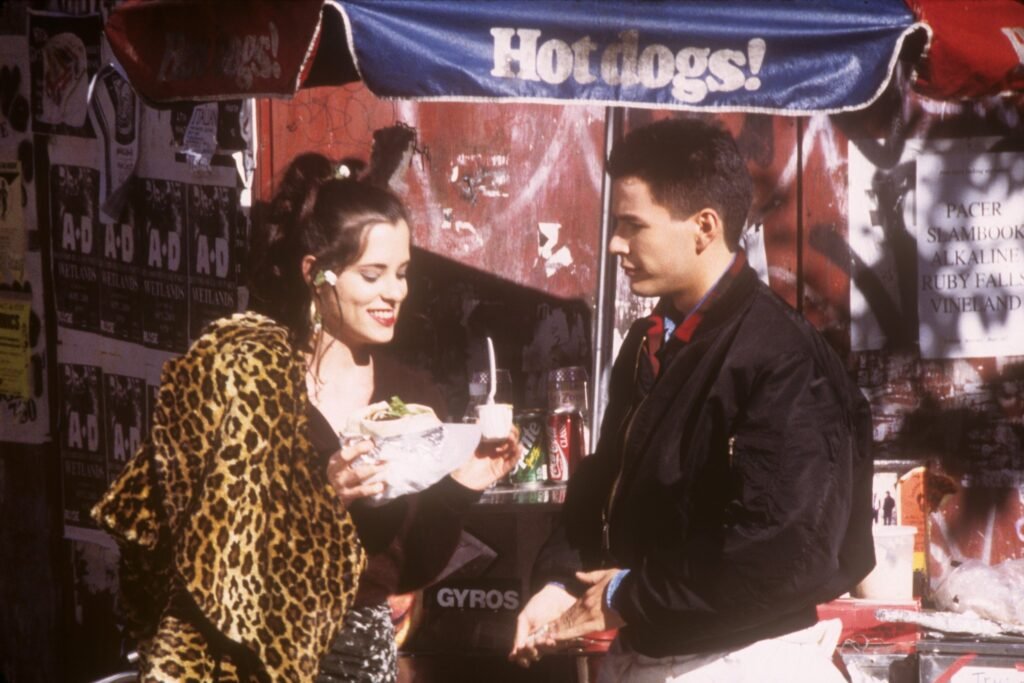
“Lost in the 90s” — this somewhat ambiguous title belongs to this year’s Berlinale retrospective program. As the festival’s artistic director Tricia Tuttle explains: “The starting point for the retrospective, curated by Helen [Gerritsen] and her team, is Berlin after the fall of the Berlin Wall — a period marked by radical change and new beginnings on both the national and international levels. Genre and visual experimentation, as well as the rebellious spirit of independent cinema, characterize the films of the Berlinale’s upcoming retrospective…” As noted in the press release, the program is divided into three thematic sections: “Berlin,” “East Meets West” (we would add that these themes intersect in more than one or two films), and “The End of History.” The latter section is particularly telling.
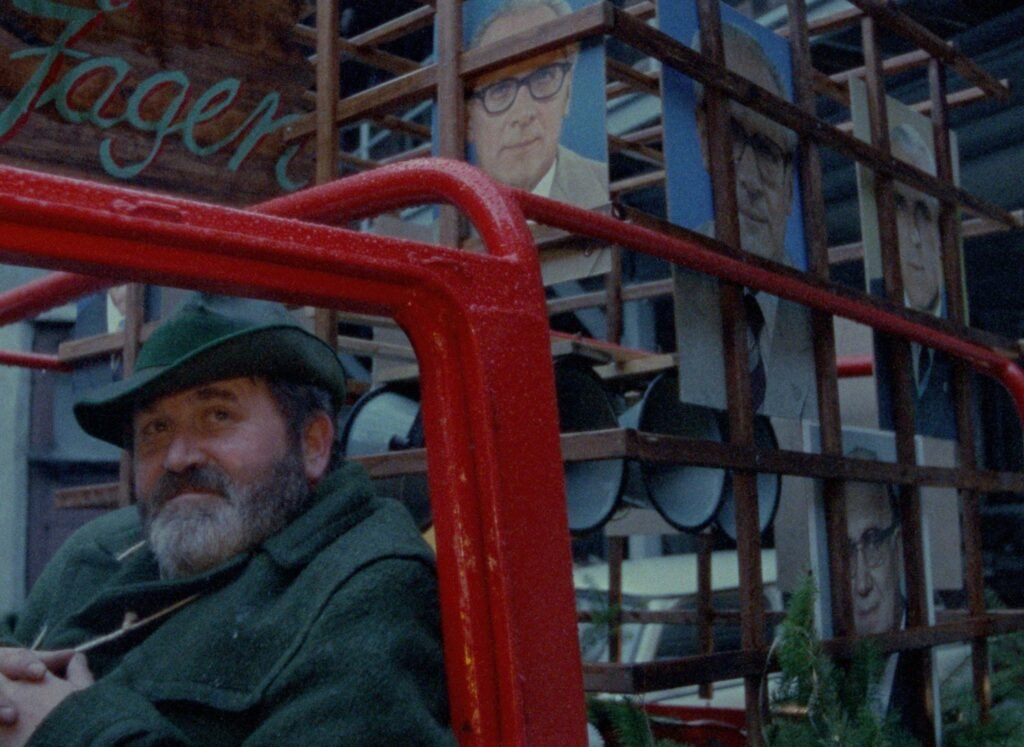
A revealing detail: the overwhelming majority of the films date from the first half of the 1990s, and in some cases their narratives unfold right at the turn of the decade. Especially illustrative here is the Ukrainian entry in the program, Mykhailo Belikov’s "Raspad" (Decay, 1990), devoted to the Chornobyl disaster. And this is far from the only film depicting the collapse of the socialist world. The lineup also includes Dušan Makavejev’s "Gorilla Bathes at Noon" (1993), set against the backdrop of the withdrawal of Russian troops from Germany; the documentary "In the Splendour of Happiness (1990)" by Johann Feindt, Jeanine Meerapfel, Helga Reidemeister, and others, about Germany during reunification; the Yugoslav film "Tito Among the Serbs for the Second Time (1994)" by Želimir Žilnik, in which an actor dressed as Tito speaks with people on the street; and the Belarusian "Orange Vests (1993)" by Yury Khashevatsky, portraying late socialist realism with its distinctly inhuman face, shown from a female perspective.
Each of these films feels less like a celebration of the 1990s than a reckoning with the 1980s and an anxious entry into a new decade — a difficult and painful transition in which the joy of liberation from dictatorships is displaced by urgent political and economic needs and anxieties about the future.
The Retrospective program: stills from films
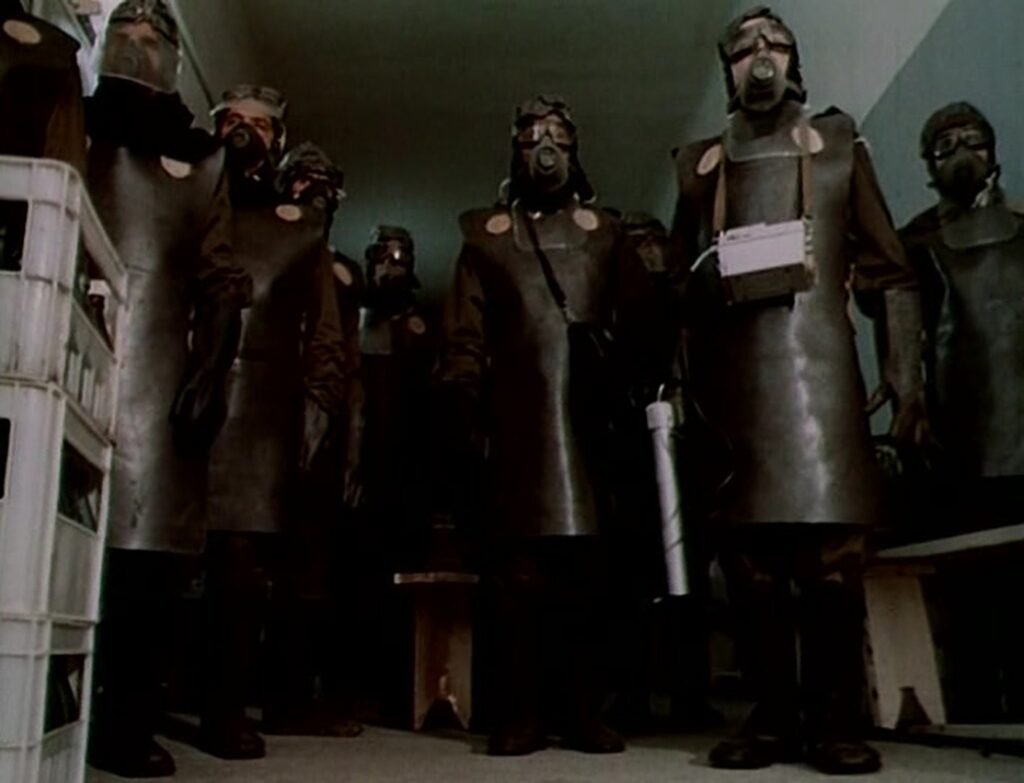
Raspad | Decay | Der Zerfall by Mykhailo Belikov
SUN, USA 1990, Retrospective
© Dovzhenko Film Studio

Gorilla Bathes at Noon by Dušan Makavejev
YUG, DEU 1993, Retrospective
© Deutsche Kinemathek / von Vietinghoff Filmproduktion
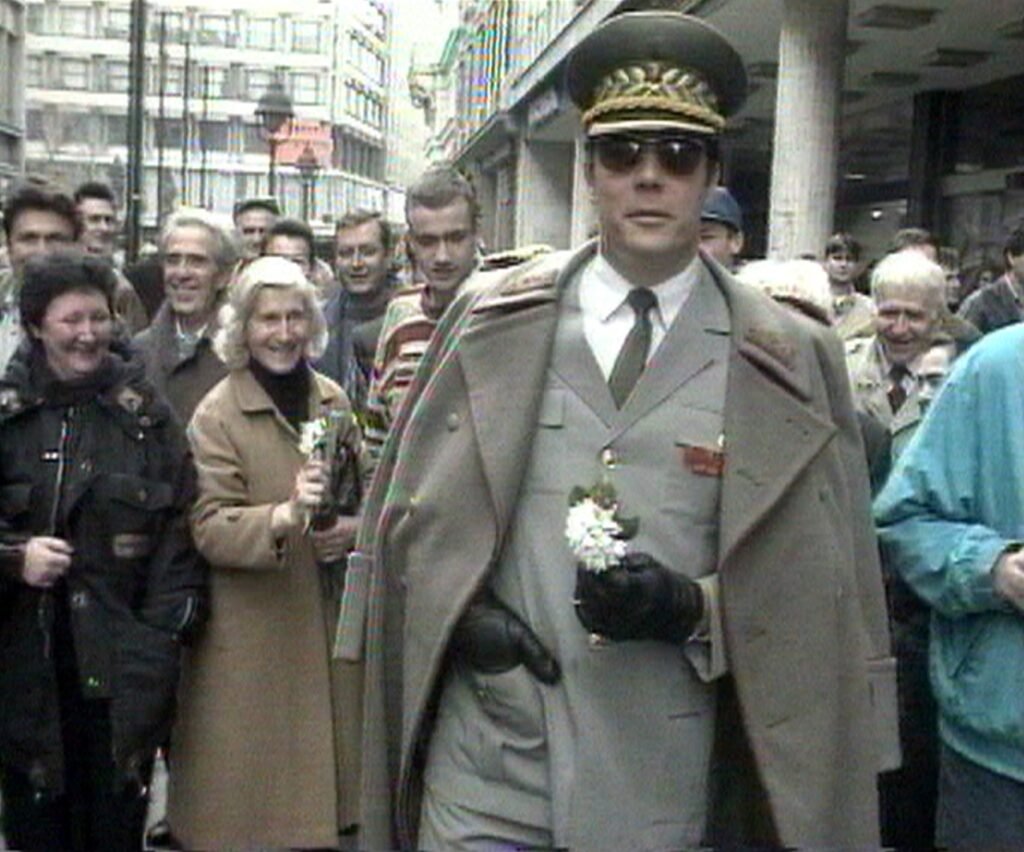
Tito pro drugi put među Srbima | Tito Among the Serbs for the Second Time by Želimir Žilnik
YUG 1994, Retrospective
© Želimir Žilnik
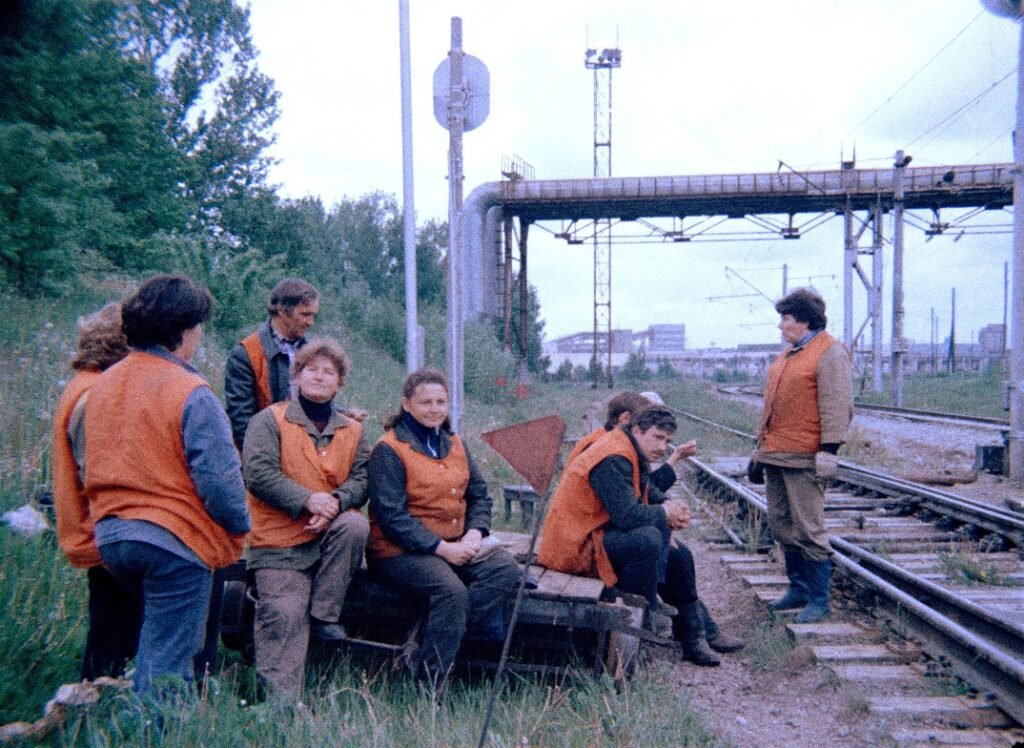
BLR, DEU 1993, Retrospective
Source: Salzgeber
Even the seemingly carefree American film "Wildwood, NJ (1994)" by Ruth Leitman and Carol Weaks Cassidy, with its sun-drenched images of summer vacation, conceals similar worries beneath the surface. Most of the film’s protagonists (it is also a “women’s film,” making a comparison with Orange Vests especially interesting) are young girls on the threshold of adulthood, forced to confront their first very grown-up problems — from choosing a profession to dealing with an unplanned pregnancy after a careless romantic encounter.
One of the few films in the program that captures the cheerful, reckless atmosphere of the 1990s is the comedy "Party Girl (1995)" by Daisy von Scherler Mayer, about a carefree “queen of parties.” But — surprise! — even here the heroine has to pull herself together and put her life in order as it rapidly slides toward disaster. The entire selection practically screams: childhood is over — whether that childhood was a harsh, traumatic socialist one or a relatively comfortable Western one.
Interestingly, the “parade of independences” that, in our post-Soviet world, is so closely associated with the collapse of the USSR — and which essentially marks the beginning of “our 1990s” — remains largely off-screen here. Yes, it is implied, surfacing in footage of the Vilnius uprising, in Serbian recollections during conversations with “Tito,” or in celebrations of German reunification. But what comes to the fore is not so much political emancipation as the acknowledgment of structural changes in the world and the anxiety over what to do with those changes.
This strongly echoes the atmosphere in which the world — or at least a significant part of it — lives today. The familiar order is collapsing before our eyes, and once again there is a need to “grow up” overnight. Only this time, unlike in the 1990s, it is not about building something new on the ruins of the old, but about preserving the relatively comfortable and safe world in which today’s Western generation grew up. How to preserve it is a separate question. What matters most is that fear of discomfort does not drown out the instinct for self-preservation.
The Retrospective program: stills from films
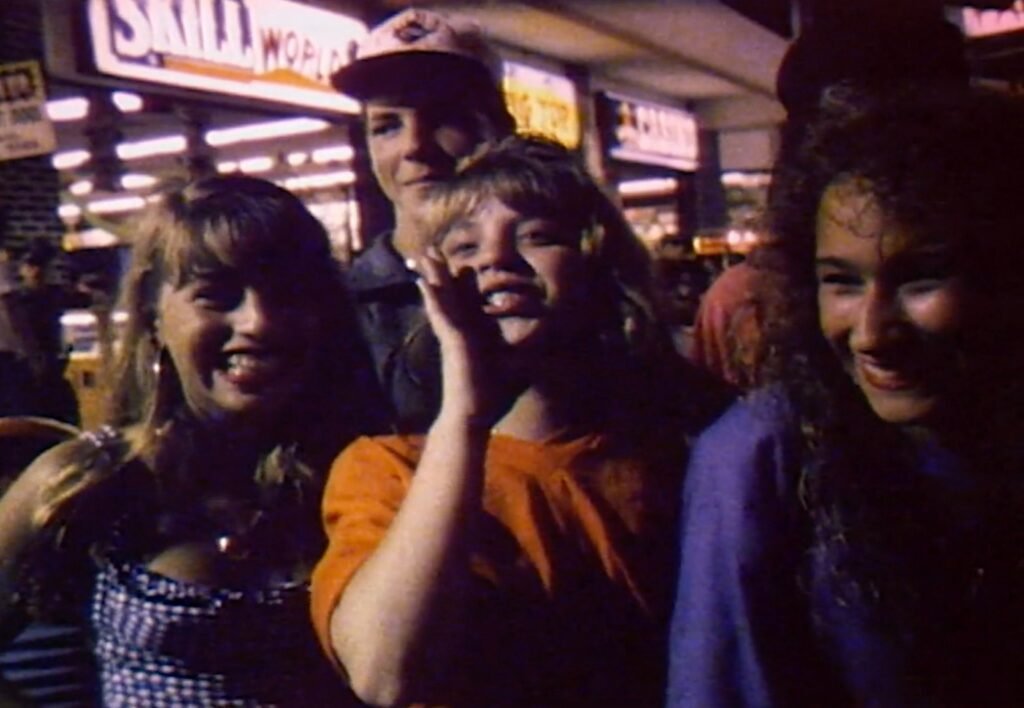
USA 1994, Retrospective
© Ruthless Films
Party Girl by Daisy von Scherler Mayer
USA 1995, Retrospective
© Radial Entertainment 2025
Retrospective from the “Berlinale Classics” Program
In an intriguing way, the retrospective resonated for me with a film from the neighboring Berlinale Classics program. I happened to see Jacques Feyder’s "Carnival in Flanders" (La kermesse héroïque, 1935) — an undisputed cinematic masterpiece — several years ago, already during the war, though before the full-scale invasion, and even then the film triggered a strong reaction. According to the plot, a Spanish occupying army unexpectedly arrives in a Flemish town that is preparing for a local festival. The town, remembering the horrors of a previous Spanish invasion, is terrified.
The men, who only recently boasted of their masculinity and patriotism, withdraw and remove themselves from responsibility — and the women take matters into their own hands. They decide to resolve everything “the woman’s way,” defeating the enemy not with weapons but with… hospitality. The Spaniards are welcomed as honored guests — and they leave without causing any harm. At first glance, what could be wrong with that? And how can one condemn women who resorted to cunning in order to save themselves and their families? And yet… they embrace the enemy all too eagerly, metaphorically and literally (one of the women even laments that not a single Spaniard tried to rape her!).
The film breathes the spirit of “don’t escalate” and “let’s make a deal with the enemy,” offering instead a happy utopia of unity and mutual understanding — sentiments understandable for a society still recovering from the shock of a world war. But… two years later the Munich Agreement would be signed, the apotheosis of “non-escalation,” and a few years after that the French would treat real women far less indulgently if they behaved toward the Germans in the spirit of Feyder’s heroines. Unfortunately, the narrative of “anything but war” and the reluctance to defend one’s country at any cost is widespread in German society today — and it is interesting to consider how critically such an audience will perceive the film’s message. One can only hope that the parallels with events nearly ninety years ago end here.
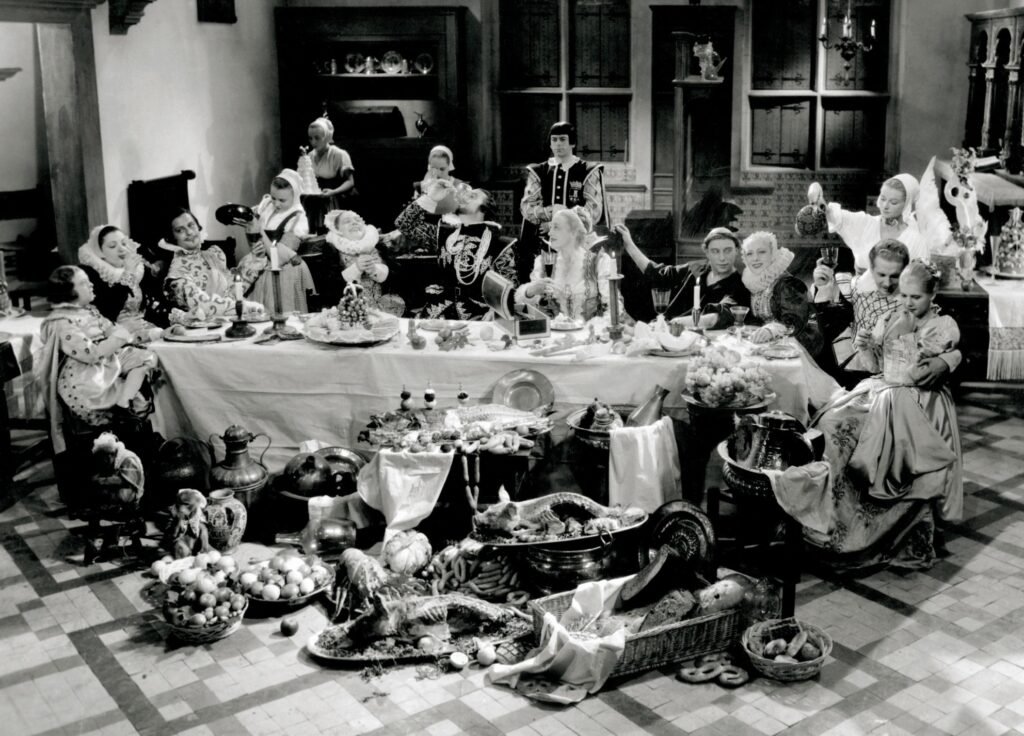
La kermesse héroïque | Carnival in Flanders by Jacques Feyder
FRA, DEU 1935, Berlinale Classics
© STUDIO TF1 & Fonds Didier Griselain
Returning to our main theme: change is inevitable. There is no point in fearing it — one must simply learn how to deal with it, even when that is extremely difficult. One way or another, the Berlinale 2026 Retrospective conveys more anxieties than hopes of its time — a mood that resonates strongly with the present day. What the films of other programs, the films of our own time, will convey — we will see very soon.
Watch: the “Retrospective” Program at Berlinale 2026.

 English
  Українська