
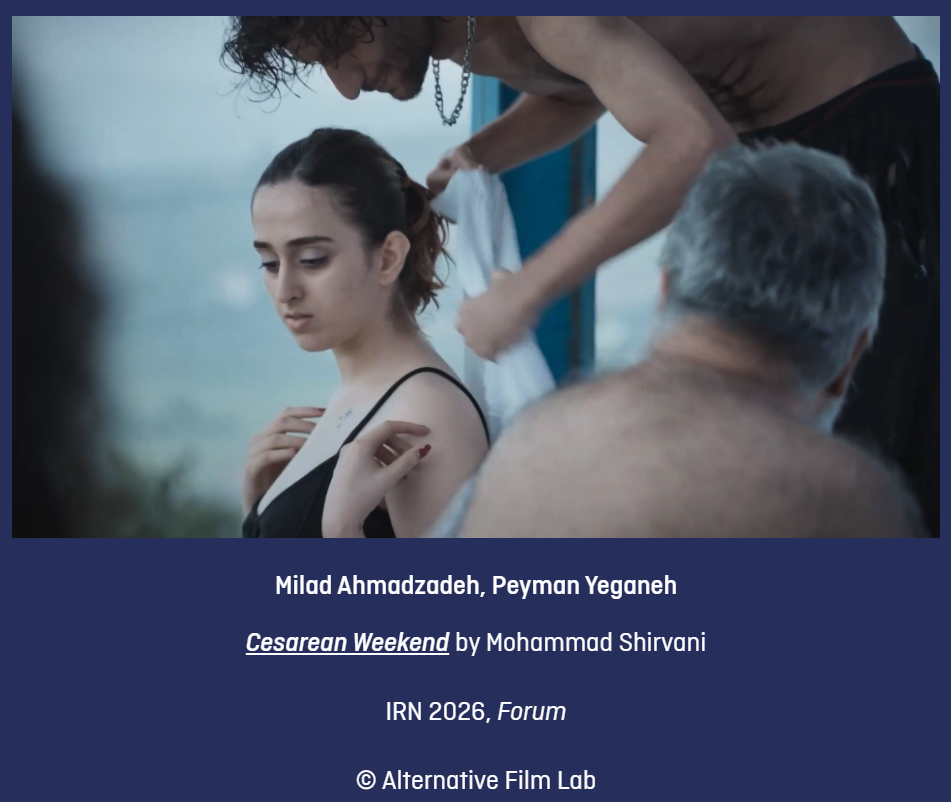
As a sign of solidarity with the rebelling people of Iran, we are publishing information about the Iranian presence in the Berlinale program.
Independent Iranian cinema is a frequent guest at the festival. Suffice it to recall My Favourite Cake by Maryam Moghaddam and Behtash Sanaeeha, a lyrical social drama about a woman trying to protect her private space under a totalitarian theocratic regime. Her house with a garden becomes a kind of island of freedom—a place where one can listen to “sinful” music, drink homemade wine forbidden by the state, or—an unheard-of crime!—invite a man over for a date.
Particularly striking is the conversation between the aging heroine and a girl she rescues, whom the “morality police” tried to arrest for wearing her hijab incorrectly. It is a meeting of two women, two generations: the older one who still remembers the relative freedom before the Islamic Revolution, and the younger one, shaped entirely under the Islamic dictatorship, in whom the fire of protest is already smoldering. Today, the peers of this girl are fighting for their freedom in the streets (indeed, youth are the driving force of the protests). In 2024, the film won the Ecumenical Jury Prize and the FIPRESCI Prize at the Berlinale—while in their homeland the filmmakers received suspended sentences for spreading lies to destabilize public opinion, for “producing vulgar content,” and for screening the film without a license.
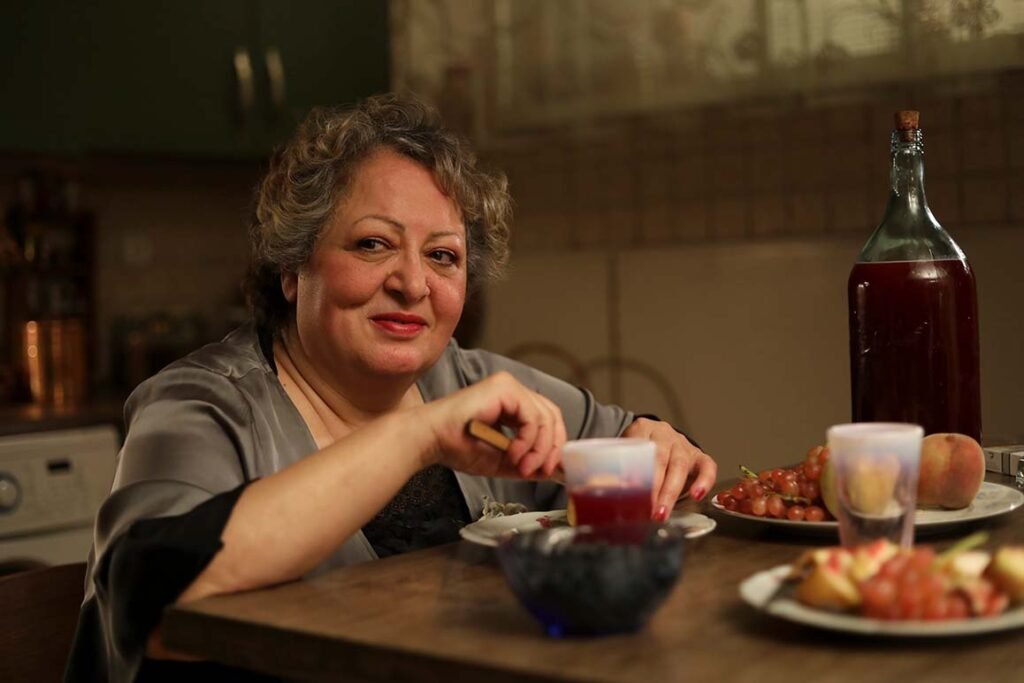
Land: IRN, FRA, SWE, DEU 2024
Regie: Maryam Moghaddam & Behtash Sanaeeha
Bildbeschreibung: Lily Farhadpour, Esmail Mehrabi
Sektion: Wettbewerb 2024
Datei: 202405386_1
© Hamid Janipour
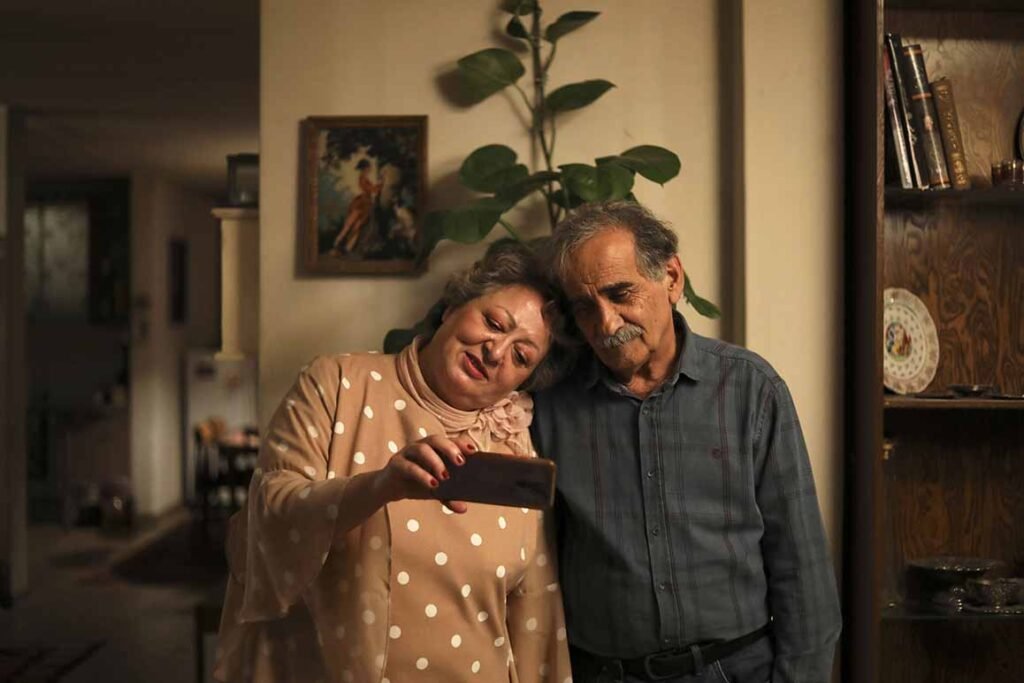
Land: IRN, FRA, SWE, DEU 2024
Regie: Maryam Moghaddam & Behtash Sanaeeha
Bildbeschreibung: Lily Farhadpour, Esmail Mehrabi
Sektion: Wettbewerb 2024
Datei: 202405386_1
© Hamid Janipour
Iranian cinema at the Berlinale 2026
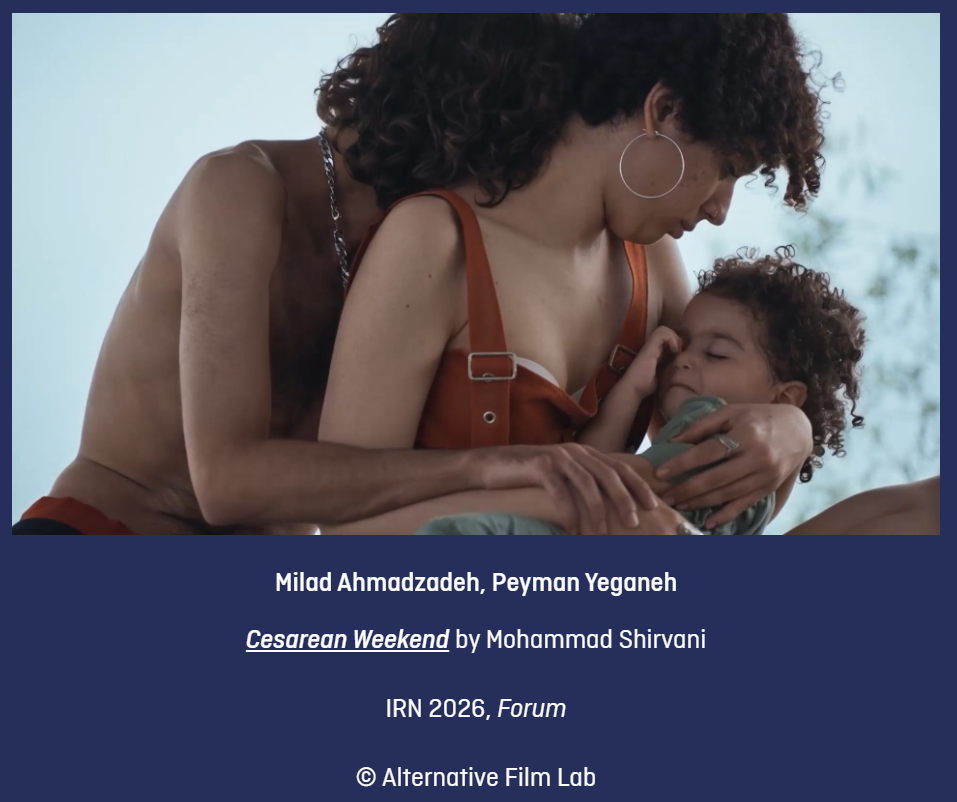
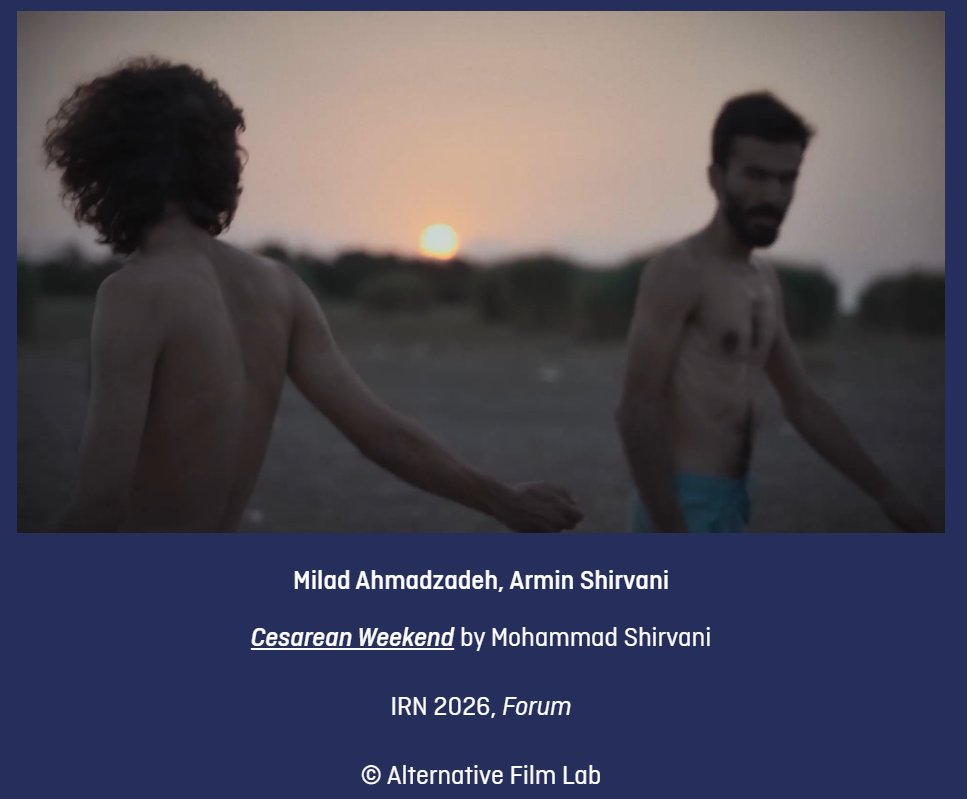
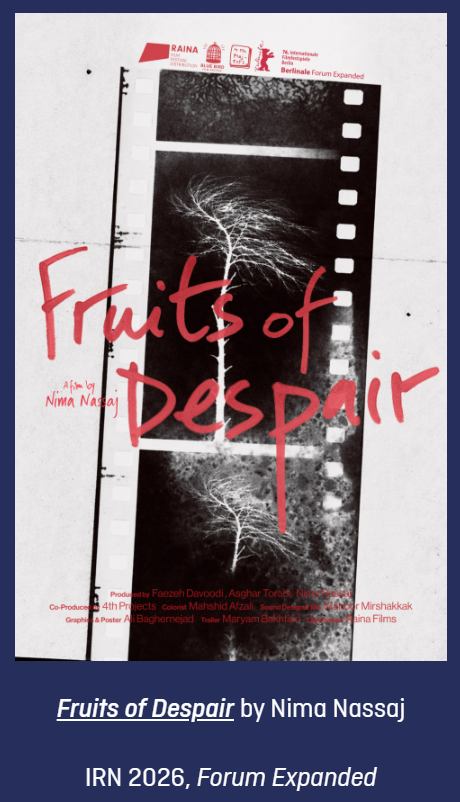
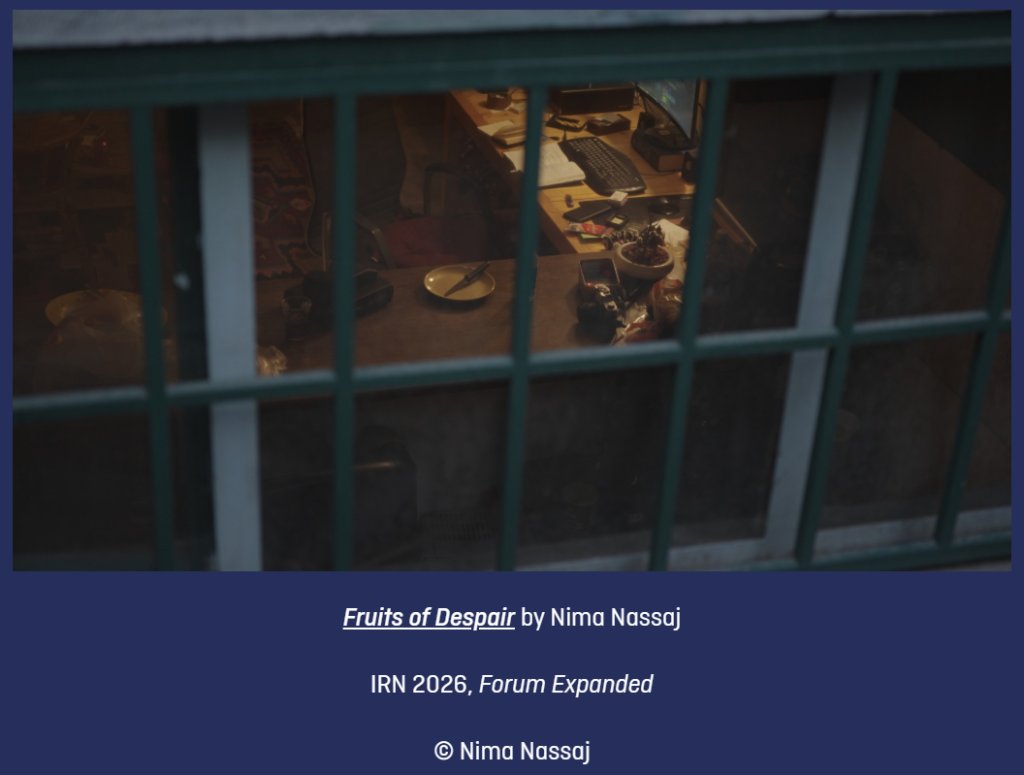
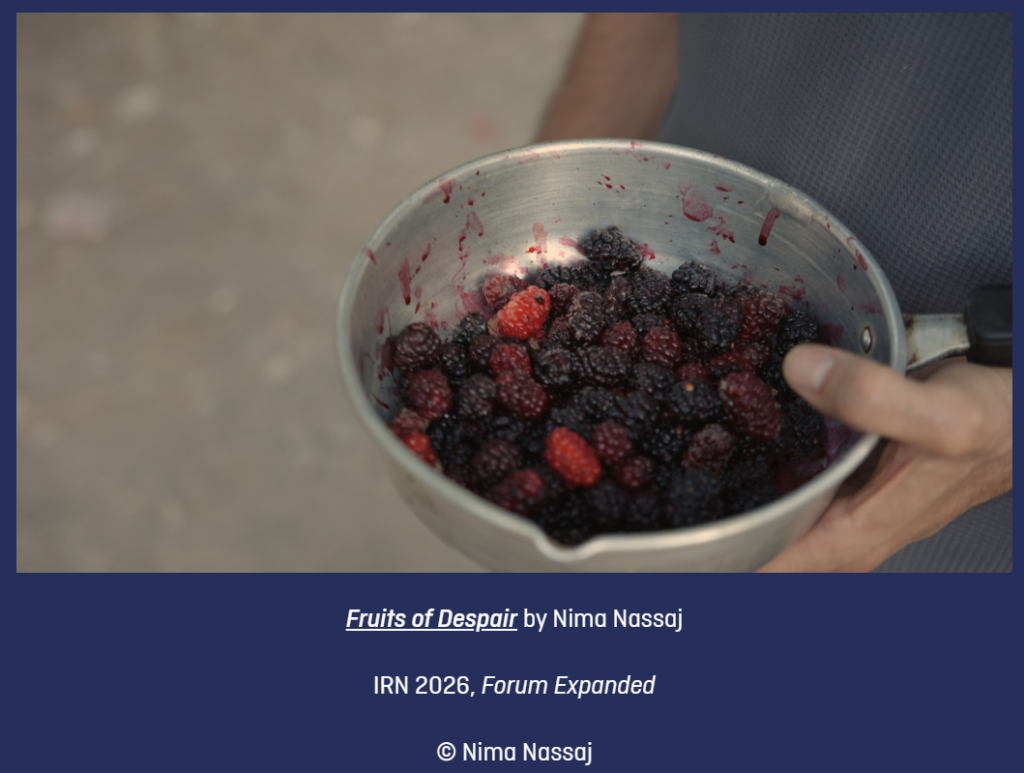
This year’s program features four Iranian films. In the Forum section, audiences will be able to see Cesarean Weekend by Mohammad Shirvani (Iran, 2026). As the festival synopsis states: “At a villa in northern Iran, lines of division between different generations of one family become visible—between celebration and discord, as well as between different meanings of love. An intense, turbulent, and philosophical depiction of contemporary Iran.” The Forum Expanded section will screen the short documentary Fruits of Despair by Nima Nissaya (Iran, 2026). According to the annotation: “While filming a movie about the Israeli–Palestinian conflict, an Iranian director finds himself at the epicenter of war. He is forced to flee Tehran with his family, and his political essay turns into a twelve-day diary that tells a story of survival, exile, and identity.”
У програмі “Панорама” — “Роя” Махназа Мохаммаді (Німеччина / Чехія / Люксембург / Іран, 2026): “Роя, іранська вчителька, ув’язнена за свої політичні переконання, стоїть перед вибором: піти на примусове зізнання в прямому ефірі або залишитися в тюремній камері у три квадратні метри.
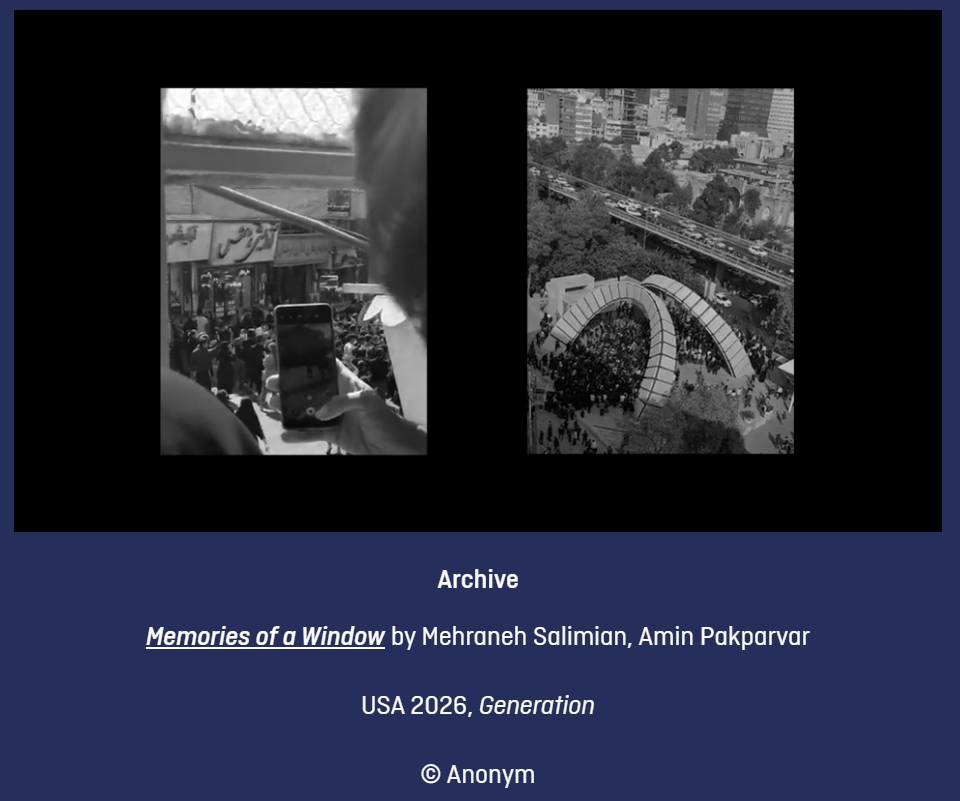
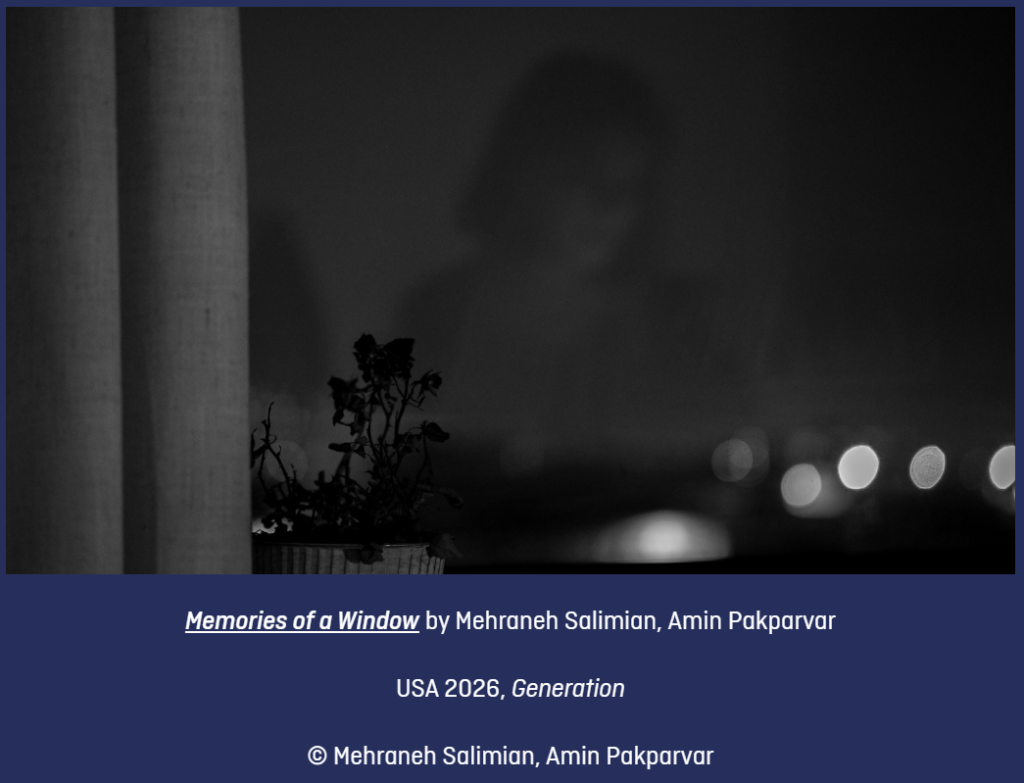
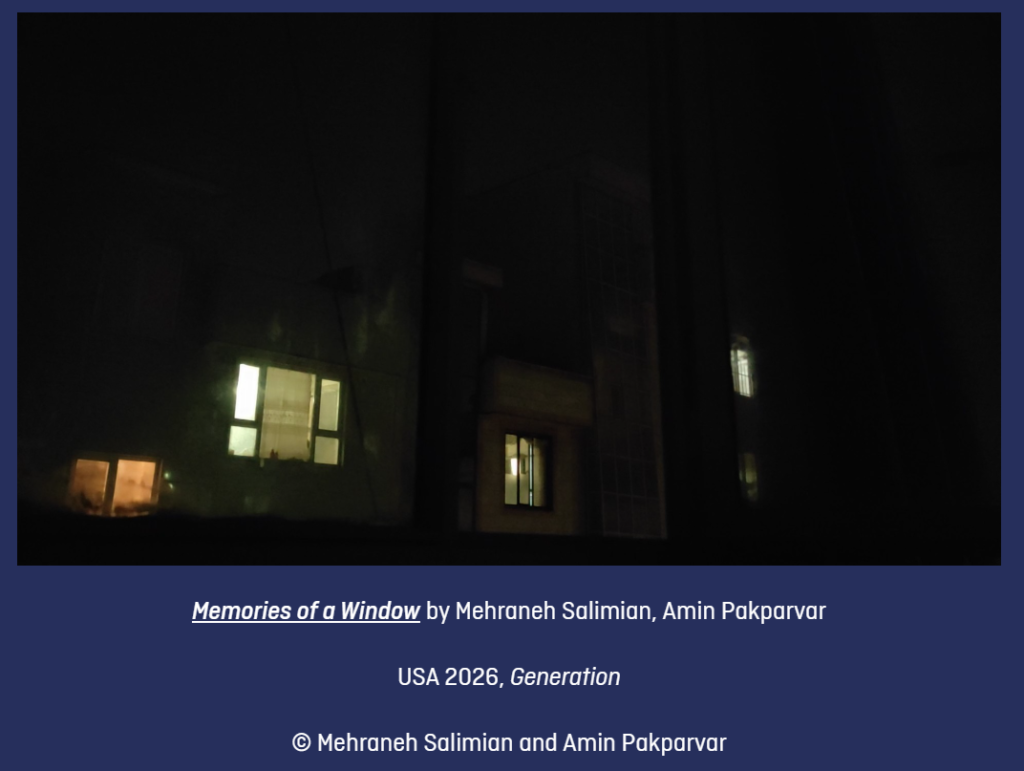
In the Generation 14plus section—a short documentary Memories of a Window, directed by Mehrane Salmian and Amin Pakparvar (USA, 2026): “After the brutal suppression of protests in Iran, civilians begin documenting the unrest from behind their windows. When a woman is shot dead during filming, a student filmmaker writes her a letter asking: can a revolution be born behind windows?”
The Berlinale has always positioned itself as politically engaged—so we sincerely hope that, unlike many other cultural platforms, the festival and its participants will clearly articulate their support for Iranian protesters. Who knows? It is quite possible that next year we will already see cinematic reflections on the current Iranian revolution—and we sincerely hope they will be created by artists of a renewed, free, democratic state.


 English
  Українська