

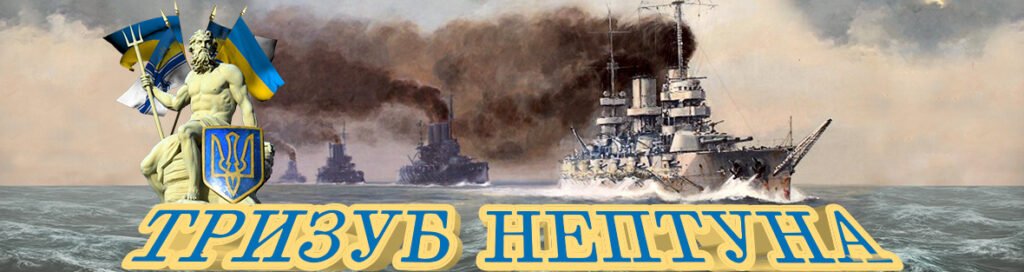
At the House of Cinema, an updated version of the documentary film “Neptune’s Trident” was presented, dedicated to the events of 1917–1918 in Sevastopol.The film tells the story of the sailors’ struggle for a Ukrainian fleet and the raising of the blue-and-yellow flag over the ships at the main base of the Black Sea Fleet in April 1918.
At the House of Cinema, a presentation of the updated version of the film about the Black Sea Fleet of 1917–1918 took place.
On February 15, in the Blue Hall of the House of Cinema, a screening of the updated version of the documentary film “Neptune’s Trident” took place. The film is dedicated to the events of the Ukrainian Revolution and the formation of the Ukrainian fleet.
The film takes the viewer back to the spring of 1917 in Sevastopol — a time when the Ukrainian community emerged from the underground and thousands of sailors openly declared their national identity.The culmination of these events came on April 29, 1918 — the day the Ukrainian flag was raised over the ships of the Black Sea Fleet.
Before the screening, Serhii Trymbach, Deputy Chairman of the National Union of Cinematographers of Ukraine, a well-known Ukrainian film critic and film historian, delivered remarks and shared his view on the place of the film “Neptune’s Trident” within the contemporary Ukrainian cultural context.

A Personal Story — as the Beginning of a Great Theme
The film’s author and director, Ivan Kanivets, said that his interest in the topic began in childhood:
“As a child, I spent a lot of time in Sevastopol. The sea and the ships fascinated me. But at that time, the Soviet-Russian narrative dominated, leaving almost no room for Ukrainians in maritime history.”
While working on the film about the Ukrainian fleet, the director encountered an almost complete lack of archival materials:
“In fact, there were only two photographs of Ukrainian rallies in Sevastopol. The search lasted for years.”
Eventually, new photographs of Ukrainian Sevastopol were discovered. With the assistance of the then Ambassador of Ukraine to Turkey, Andrii Sybiha, film footage of the Black Sea Fleet from around 1916 was also found — the very ships discussed in the documentary.
These discoveries became the basis for creating the new, expanded version of the film.
The continuity of struggle: from 1918 to today
Commander Tymur Barotov also spoke at the film’s premiere in 2010 in Sevastopol. At that time, he emphasized the deep historical roots of Ukraine’s maritime tradition:
“Ukraine’s cultural and economic development has always been connected to the sea. Thanks to the seafaring of our ancestors, the route ‘from the Varangians to the Greeks’ functioned. The events of 1917–1918 became an important milestone in the formation of the Ukrainian fleet.”
Today, the words of Colonel Tymur Barotov carry a different resonance — now in the context of a full-scale war.
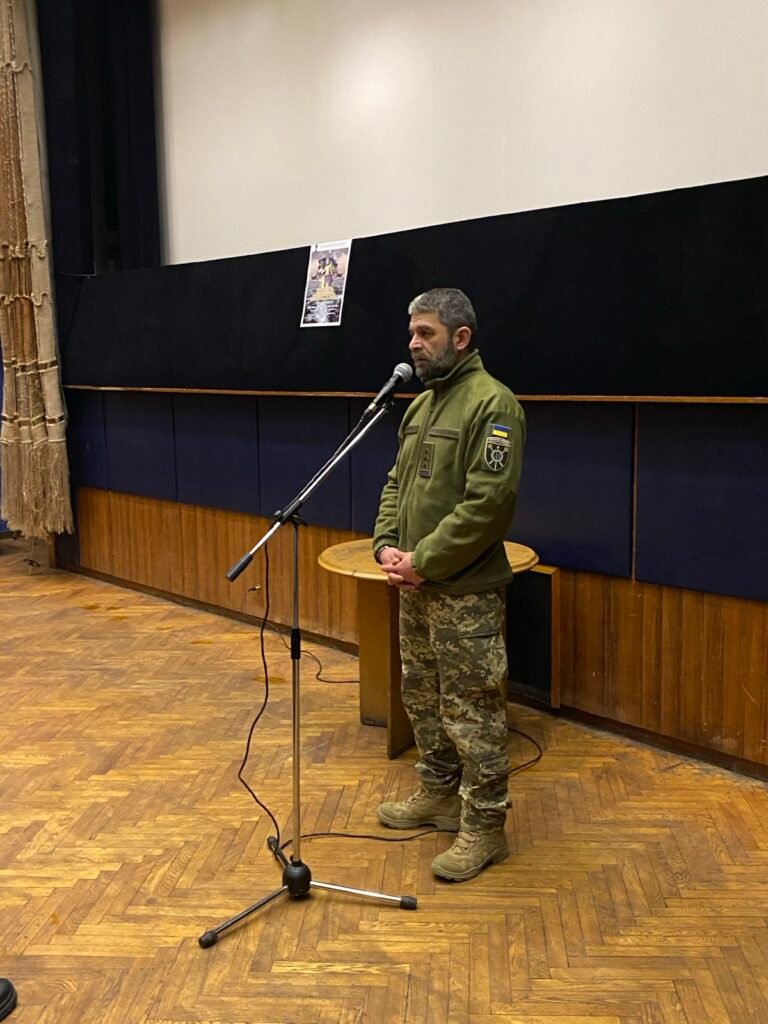
During the current presentation, he drew direct parallels between the events of a century ago and the present day. He recalled 2014, when Ukrainian ships in Crimea faced pressure and attempts to force them under Russian control. Economic restrictions, port blockades, and sanctions policy — he described all of this as a continuation of the struggle for control of the sea.
Colonel Barotov also focused on how the very nature of naval warfare has changed. Despite not having a large fleet, Ukraine has managed to find alternative ways to resist:
“Large ships no longer guarantee victory. Ukraine has learned to fight differently.”
Maritime drones, unmanned systems, and asymmetric strikes — according to him, these tools have made it possible to shift the balance of power in the Black Sea.
He emphasized that Ukraine has proven that even without cruisers and large frigates, it is possible to shatter the myth of the enemy fleet’s invincibility. And this means that the Ukrainian navy has significant potential.
“Generation of Freedom”: Continuing the Work
In his speech, Barotov also mentioned the project "Generation of freedom", within which research into the events of the Ukrainian Revolution and the history of the Ukrainian fleet is ongoing.
According to him, after 1918 the Ukrainian fleet faced a difficult fate: some ships were interned, others were disarmed, and some were taken out of Ukraine. Many archival materials were lost or destroyed. This history, he stressed, offers an important lesson for the future — which is why it is crucial to search for and preserve materials now, so that Ukrainians can have a complete picture of their past.
The Voice of the Officer Community
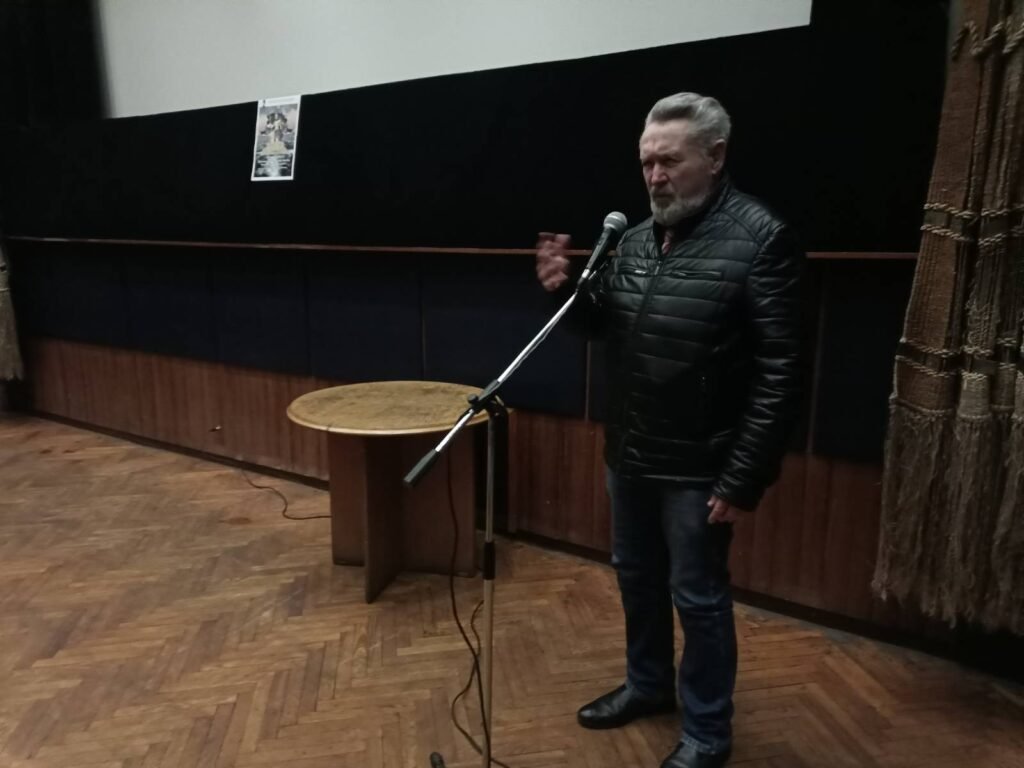
Honorary Chairman of the Union of Officers of Ukraine, Captain Yevhen Lupakov, drew attention to lesser-known pages of both 1918 and the early 1990s. He recalled the events of January 1992 and the complex process of transforming the Soviet Black Sea Fleet into the Ukrainian Navy — developments that, he noted, remain insufficiently examined.
In his view, Ukrainian military history requires further documentation and research:
“We need to make a continuation. Because over time, testimonies may disappear.”
The Ukrainian Fleet. A Flag Over the Sea
The updated version of “Neptune’s Trident” has been produced in HD format and supplemented with newly discovered archival materials. The film runs for 18 minutes. A lively discussion followed the screening.
If in 1918 the Ukrainian flag raised over the Black Sea Fleet symbolized the birth of statehood, today the struggle for the sea is a matter of its future. Ukraine has proven that it is capable of changing the rules of the game. And the right of the Ukrainian flag to fly over its own sea remains unwavering.
Повна версія — прем’єра у четвер о 18:00.

 English
  Українська