
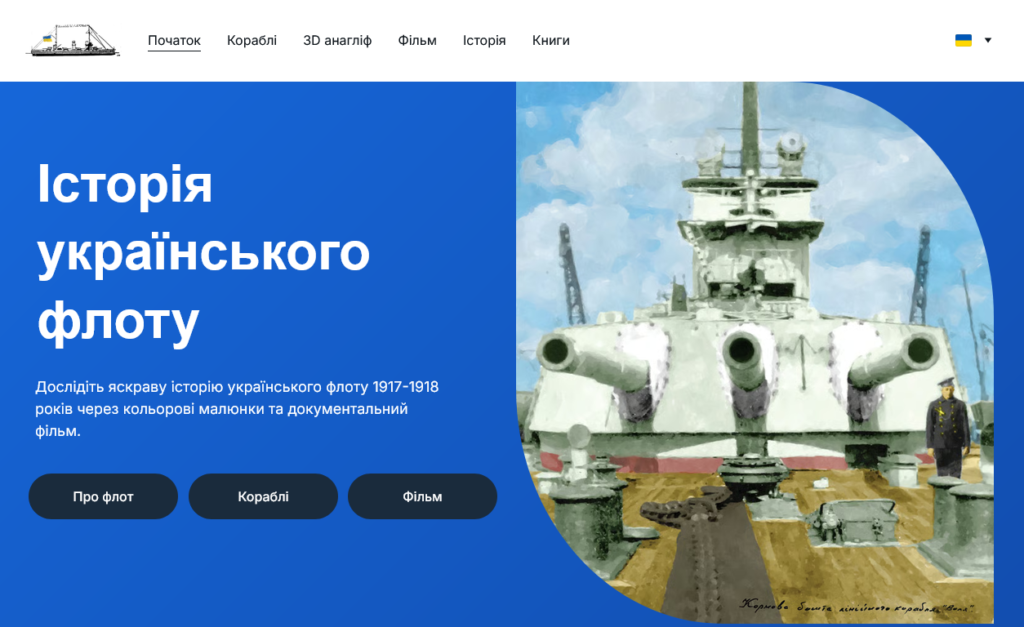
Back in 2018—which now seems like a long time ago—marked the 100th anniversary of the Black Sea Fleet raising Ukrainian flags. It has been 100 years since the Black Sea Fleet raised the Ukrainian flags. Today we launched a website about the Ukrainian People’s Republic’s navy. The raising of those flags marked the culmination of a long and arduous journey undertaken by Ukrainians who served on the Black Sea. Sailors, more than anyone else, understood the importance of the navy in the life of the country. And back then, at the beginning of the 20th century, that significance was even greater than it is today. Today, opening and maintaining the grain corridor allows our country to have the necessary resources to continue the war for independence, and in those days, moreover, battleships were the most powerful weapons in the world—just as nuclear weapons are today. Maintaining a navy required a great deal of money, a developed industrial base, and cooperation with other countries, and was possible only under the condition of Ukraine’s full independence.
Therefore, in 1917, when politicians in Kyiv—seeing the might of the Russian army even after the tsar’s overthrow—sought only various forms of autonomy, people in Sevastopol were talking about independence. Indeed, it seemed that nothing threatened the Ukrainian movement in Crimea: there were simply too many Ukrainians in naval uniforms bearing arms. Consequently, the most active members of the Ukrainian community were organized into the Sagaydachny Naval Company, which was dispatched to Kyiv to defend the Central Rada.
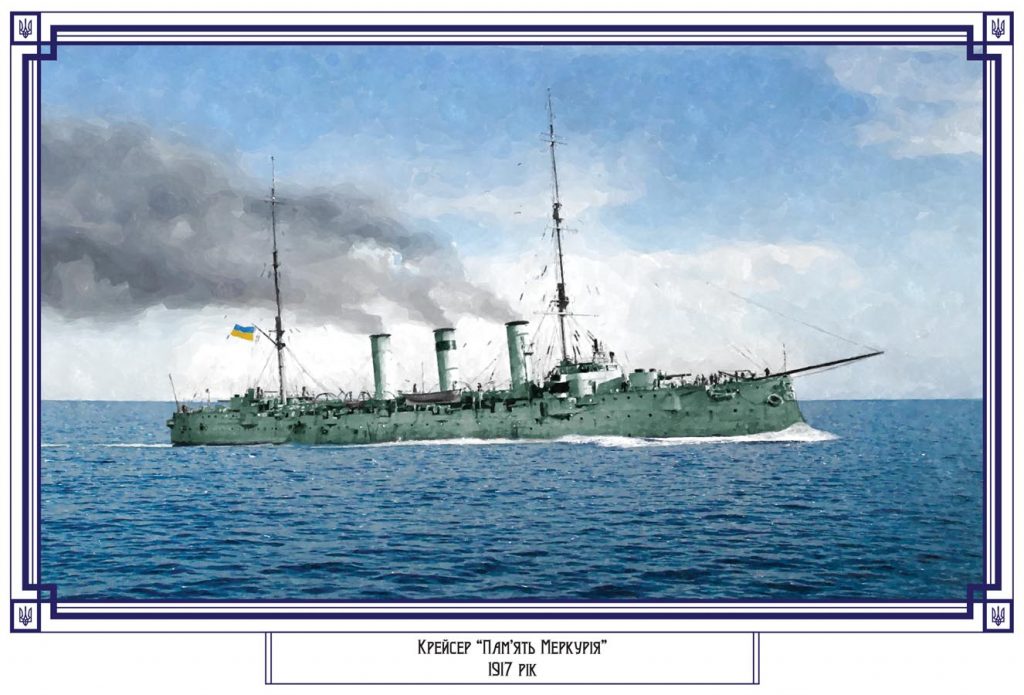
But the Ukrainians, as was often the case, underestimated Russian propaganda along the lines of “We know that the enemy isn’t in Moscow—he’s in Kyiv.” Propaganda sailors who arrived in Sevastopol from the Baltic easily won over Ukrainian sailors, especially since many of our activists had left for Kyiv. Therefore, shortly after seizing power in the empire’s capital, the Bolsheviks also took control of the Black Sea Fleet.
But the story didn’t end there. The Bolsheviks sent thousands of “unreliable” sailors home, but most of them remained Ukrainian nonetheless. (During the Soviet era, the Russians would not repeat this mistake: Ukrainians were sent to serve in the Baltic or the Far East.) When Ukrainian troops approached Sevastopol in the spring of 1918, the Bolsheviks lost power. Admiral Sablin, the new fleet commander elected at a general assembly of sailors, gave the order to raise the Ukrainian flags.
To commemorate this event, our team created a calendar in 2018 titled “100 Years Since Ukrainian Flags Were Raised in Sevastopol,” featuring color images of the ships in question.
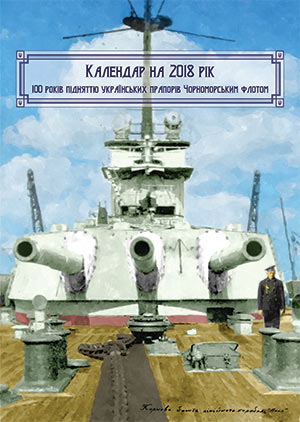
We have now decided to breathe new life into this project and have launched a separate website dedicated to the Ukrainian People's Republic's navy based on it.
The website https://ukrnavy.art/ is bilingual, in Ukrainian and English. We may add versions in other languages in the future.
We invite you to visit the website and share the information about it!
If you’d like to support our project, please purchase works by Ivan Kanivets: the historical novel Qingdao-Vienna-Kyiv or his e-book collections in English: Ukrainian Stories of Life and Fight: Volume I and Ukrainian Stories of Life and Fight, Volume II.
By purchasing these books, you are helping kilok.art with other projects, such as the restoration of Ukrainian newsreels or work on the series “Generation of Freedom”!

 English
  Українська